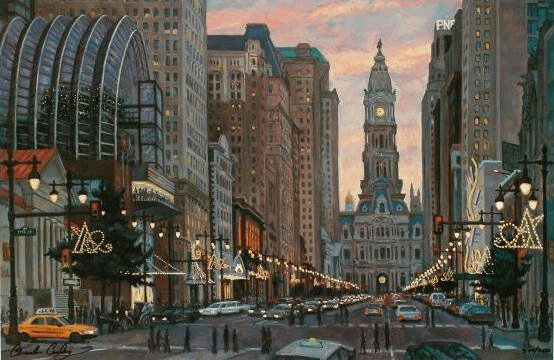
Philadelphia is famous for its industrial heritage and the legendary Barrymore family. But in the latter half of the 20th century, the cultural infrastructure of the City of Brotherly Love declined, much like its once-mighty industries. Interestingly, many theaters that were founded before the Great Depression and survived those hardships began to gradually disappear toward the end of the twentieth century. Read on to learn more about how local government and concerned citizens revitalized the city’s cultural landscape at philadelphia-trend.
How Did It All Begin?
In the 20th century, Philadelphia’s arts scene had a mixed record. The first half of the century presented numerous challenges, but stagnation did not set in. The real catastrophe crept in several decades later.
This decline was primarily linked to the city’s inadequate cultural infrastructure. Theaters built in the previous century were showing their age and falling into disrepair. Meanwhile, there was no push to construct new buildings or fund the organizations that could undertake such projects. Fortunately, however, concerned citizens eventually stepped up.
In 1993, a “Marshall Plan”-style initiative was launched by Philadelphia’s city government, which joined forces with local private companies. The reconstruction program focused on a historic district of the city where theaters, museums, and other venues lined nearly every street. City leaders designated this stretch of South Philadelphia as the “Avenue of the Arts.” The vision was to create everything needed for the development of arts and entertainment venues.
Who Was the Engine of Change and How Did the Process Unfold?
The “Avenue of the Arts” revitalization project was championed by then-Mayor Ed Rendell. According to legend, he was struck by the idea one night while walking the city streets and noticing a complete lack of cultural activity.
In the 1980s, South Broad Street was in a state of prolonged decay. The grand 19th-century office buildings, which once housed banks and law firms, stood empty as their tenants fled to new skyscrapers and suburban office parks. Although a few arts-oriented venues existed on the street, these old structures were also on their last legs.
Rendell decided to revive the desolate area by investing time and money into the artistic development of South Broad Street. In time, music institutions began to appear, and local organizations launched their own plans for the cultural evolution of the old district.
Initially, local enthusiasts focused on the blocks of South Broad Street between City Hall and South Street. City officials allocated over $3 million for the construction of the “ArtsBank,” a performance space in a restored bank building; more than $2 million was turned into a new jazz hall and archive for the “Clef Club”; and over $30 million was invested in founding the 300-seat “Wilma Theater” from scratch and a library for the local High School for Creative and Performing Arts.
Meanwhile, negotiations were underway for a new home for the Philadelphia Orchestra. In 1998, architect Rafael Viñoly announced the design for a 2,500-seat concert hall with a cost of over $200 million.
At the end of the twentieth century, the decision was made not to limit the efforts to just one district but to continue this process throughout the City of Brotherly Love. During this “great cultural construction” program, many new architectural landmarks appeared in the first capital of the United States. Additionally, old buildings were restored, reopening to Philadelphians in a new light. This notably included the estate of the famous actor Edwin Forrest—the New Freedom Theatre.
By the beginning of the new millennium, the city was unrecognizable, though much work remained. In 2012, the Greater Philadelphia Cultural Alliance reported that jobs created by arts and culture institutions in the city generated nearly $500 million in economic impact. American journalists also researched that the development of cultural heritage supported about 6,000 employees earning $150 million in income.