


The Wilma Project, now a renowned theater, was founded in Philadelphia in 1973. Its goal was to create original productions and support local artists. From the very beginning, The Wilma impressed audiences with its avant-garde approach. In the late 1970s, Blanka and Jiri Zizka began working at the theater. They were instrumental in its development, making The Wilma a household name, just as famous as Philadelphia’s Forrest Theatre. Read on to learn more about the history of this unique theater at philadelphia-trend.
The Wilma Theater’s Beginnings
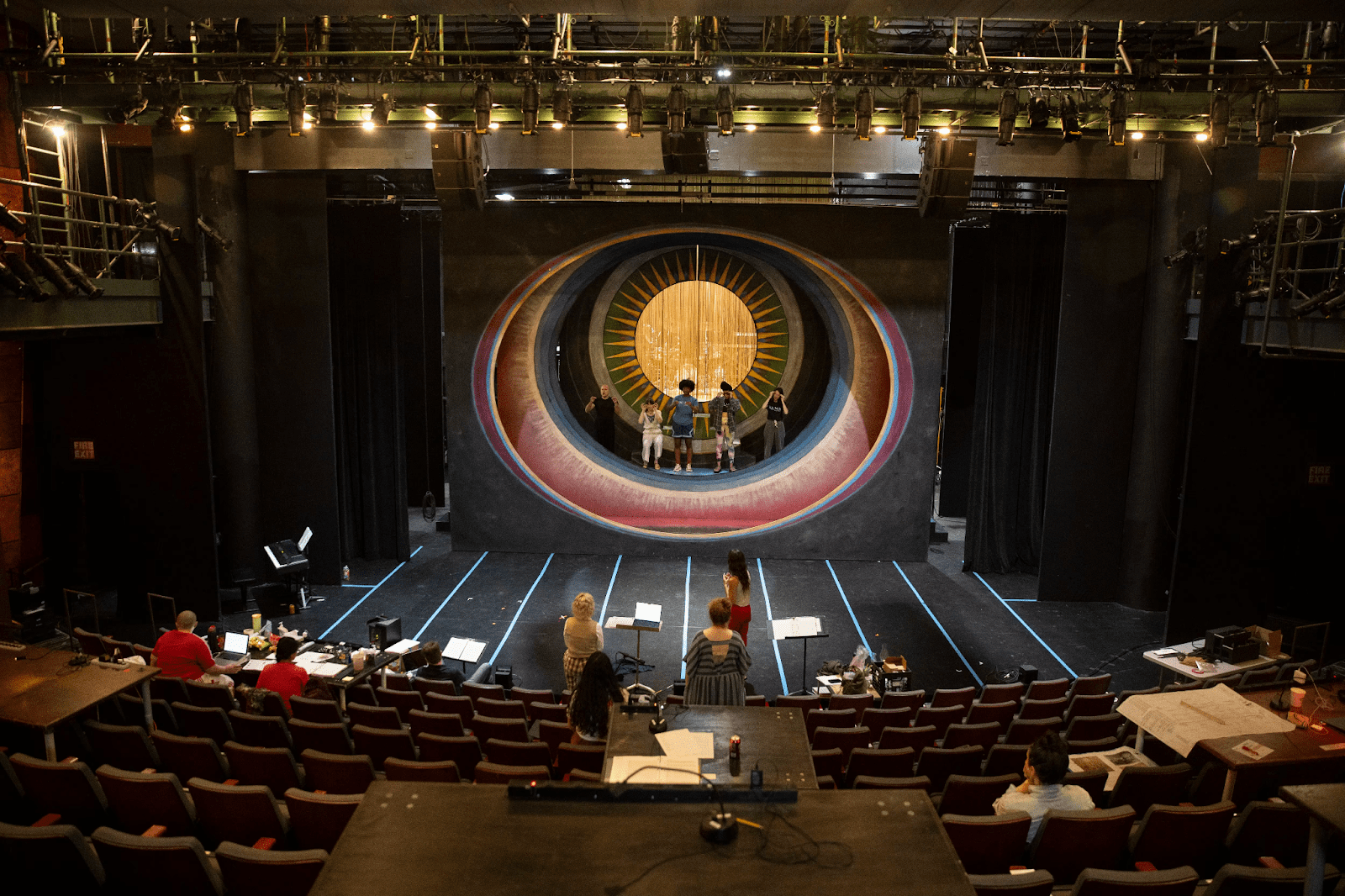
The modern-day Wilma Theater is located at 265 S. Broad Street on the Avenue of the Arts. It features a 296-seat auditorium. The theater moved into this custom-built space, designed by Hugh Hardy, in 1996.
Its history began much earlier, in 1973, with the project of the same name. It was named in honor of Shakespeare’s fictional sister, a character from the writings of Virginia Woolf. The organizers aimed to underscore their commitment to supporting emerging artists and creating original productions.
The Zizka Era at The Wilma Theater
Blanka and Jiri Zizka, a married couple, emigrated to the U.S. from Czechoslovakia as political refugees. In 1979, they joined The Wilma Project as artists-in-residence. Two years later, they took over its leadership and transformed it into a full-fledged theater. At that time, Wilma productions could be seen on various Philadelphia stages and even in a specially converted garage. The theater moved into its own permanent home in 1996 as its audience was growing, and the need for a dedicated space became clear.
The Wilma Theater became the first new theater to be built in Philadelphia in 40 years. The building was designed by renowned theater architect Hugh Hardy.
Under Blanka and Jiri’s leadership, the theater earned a reputation for being provocative and bold. On its stage, they produced works by Tom Stoppard, James Ijames, Paula Vogel, and Danai Gurira. The productions featured numerous Philadelphia actors, as well as Oscar nominee David Strathairn, Obie Award winner Zainab Jah, and Tony Award winner Jesse Tyler Ferguson.
Jiri Zizka stepped down from his leadership role at the theater in 2010. He passed away two years later. From then on, Blanka Zizka became The Wilma’s sole Artistic Director. She decided to create the Wilma HotHouse, a creative incubator for Philadelphia actors to train and hone their craft. It was officially launched in 2016.
The theater announced its unique “Next Chapter” initiative in 2020. This is a unique leadership school for artistic directors, fostering dialogue and unity for the development of Philadelphia’s theatrical arts.
In 2021, Blanka Zizka retired, but The Wilma’s development did not stop there. The theater maintains its cutting-edge position and remains a well-known and beloved venue for many connoisseurs of contemporary theater.
The Theater’s Educational Initiatives
The Wilma Theater introduced its own educational programs in 2000. Initially, these were primarily youth programs aimed at fostering the development of young artists. Currently, the theater has programs for various ages, namely:
- The school program “Wilmagination” is designed for over 10,000 middle and high school students in Philadelphia.
- The after-school program “AllStars” allows students to get directly involved in the theater’s work.
- Theater programs for adults are implemented in collaboration with organizations such as the Free Library of Philadelphia, Broad Street Love, and Philly House.
Awards and the Modern Era of The Wilma Theater
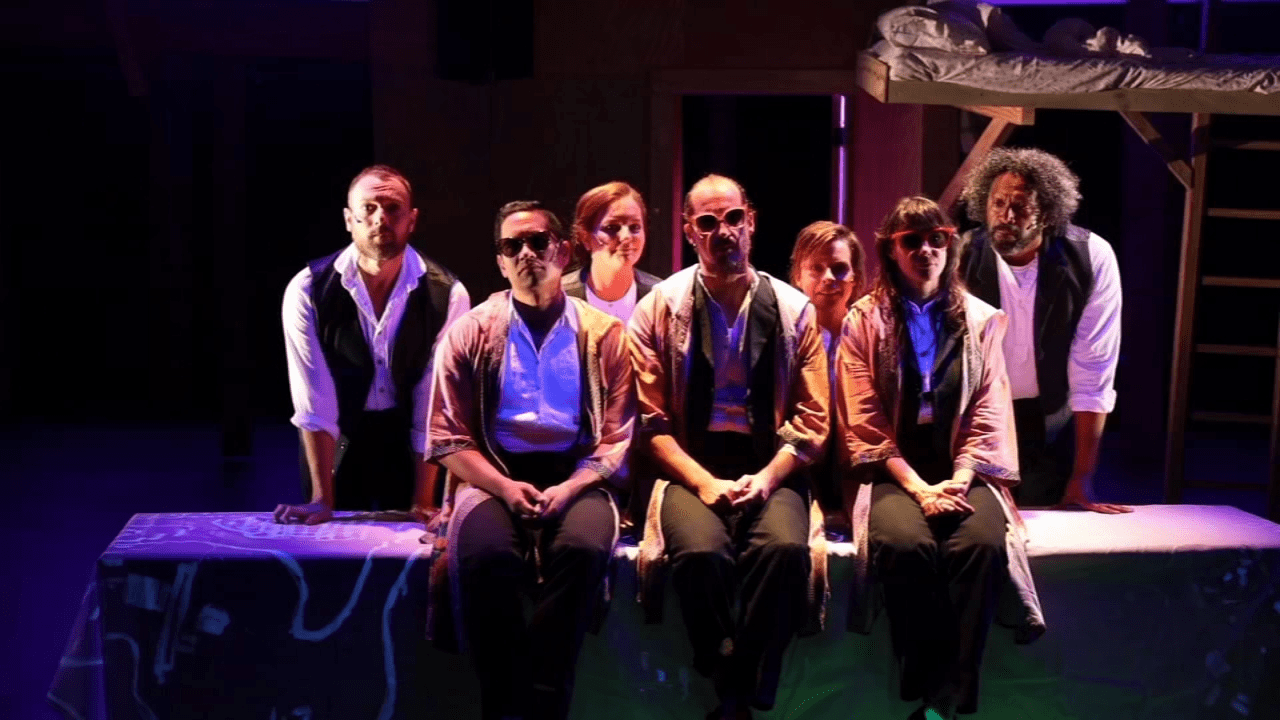
As of 2018, The Wilma Theater had won 68 Barrymore Awards, and that number continues to grow each year. Furthermore, in 2024, it won the prestigious Regional Theatre Tony Award, which includes a $25,000 grant. The funds were directed towards supporting and staging new productions, so audiences can see exciting new works here every season.
It is worth noting that the theater operated even during the coronavirus pandemic by creating digital productions. Its 2020 production of Heroes of the Fourth Turning was named the Best of the Year by The Wall Street Journal and was also nominated for a Drama League Award. Its 2021 digital production, FAT HAM, was named a Best of the Year by The New York Times and went on to win the 2022 Pulitzer Prize for Drama. The Wilma Theater continues to develop in the digital realm to make theatrical art accessible to everyone and to expand its audience geographically.
The mission of Philadelphia’s Wilma Theater was and remains to create truly bold art that has no forbidden topics and is ready to address any issue in contemporary society. The 2024-2025 season plans to feature new productions like Demigod of the Rain, The Archduke, A Summer Day, and other exciting new works. The theater’s leadership wants to see the venue as a catalyst for catharsis, deep conversations, and real change. More about The Wilma’s activities, announcements, tickets, educational programs, and other cultural events can be found on the theater’s website or by subscribing to its newsletter.