

The Philadelphia Fringe Festival, now known as FringeArts, is one of the most innovative and dynamic celebrations of performing arts in the United States. Every autumn, this event transforms the entire city into a vast, unpredictable artistic space, where the boundaries between audience and performer, between stage and reality, are deliberately blurred. The festival ventures far beyond the limits of traditional dramaturgy, offering the public radical avant-garde performances that boldly challenge conventional forms of stage art. Its existence is living proof that Philadelphia is a true incubator of independent creativity and a center of cultural courage. We delve into the topic further on philadelphia-trend.
Following the Spirit of Edinburgh and the Search for Freedom
The history of the Philadelphia Fringe began in 1997. Its founders were inspired by the legendary Edinburgh Festival, where independent artists historically created their own shows “on the fringes” of the official program. The goal was simple but revolutionary for the American context: to provide a stage for those artists and collectives whose work was too bold, cutting-edge, or unconventional for large commercial or academic venues driven by profit. Due to this principle, the festival quickly became a catalyst for the independent movement in the region, creating a space free from artistic censorship and financial expectations. It became a movement of “art for art’s sake.”
Decentralization of Space
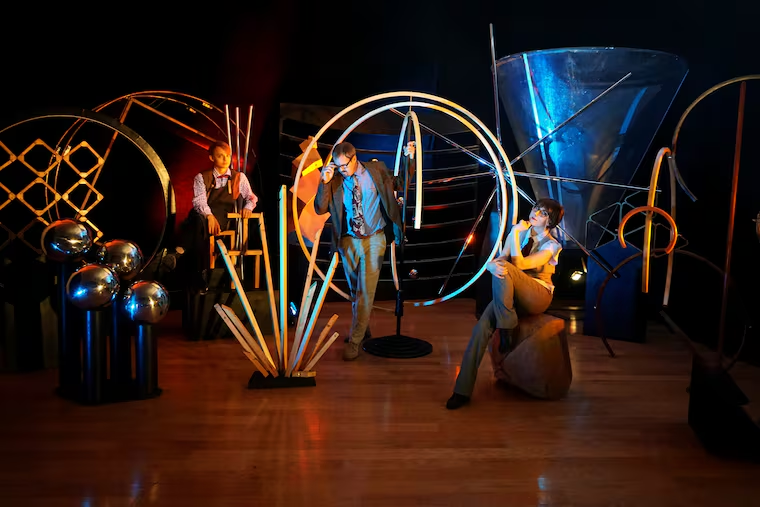
The key feature of FringeArts lies in the strategic use of unusual locations. Instead of being limited to a few traditional concert halls, the event deliberately encompasses dozens of unique venues, literally transforming the urban infrastructure into the set. This creates an unparalleled experience for visitors, who are forced to explore Philadelphia searching for the next performance. This process turns the viewer into an active participant in the events.
The unusual venues involved in the festival include:
- abandoned warehouses and former industrial zones, which lend the performances a unique, industrial aesthetic;
- private houses or apartments to create intimate and deeply immersive performances, where the space’s intimacy becomes part of the plot;
- public spaces like Dilworth Park (formerly City Hall Plaza) or city squares;
- lobbies of historic buildings, combining past and contemporary art;
- streetcars, bus stops, or even boats for unique site-specific art, where the action is tied to a specific location.
This decentralization of space emphasizes the main idea: art should not be locked in “temples,” it belongs to everyone and can emerge anywhere, at any moment.
Genre Evolution
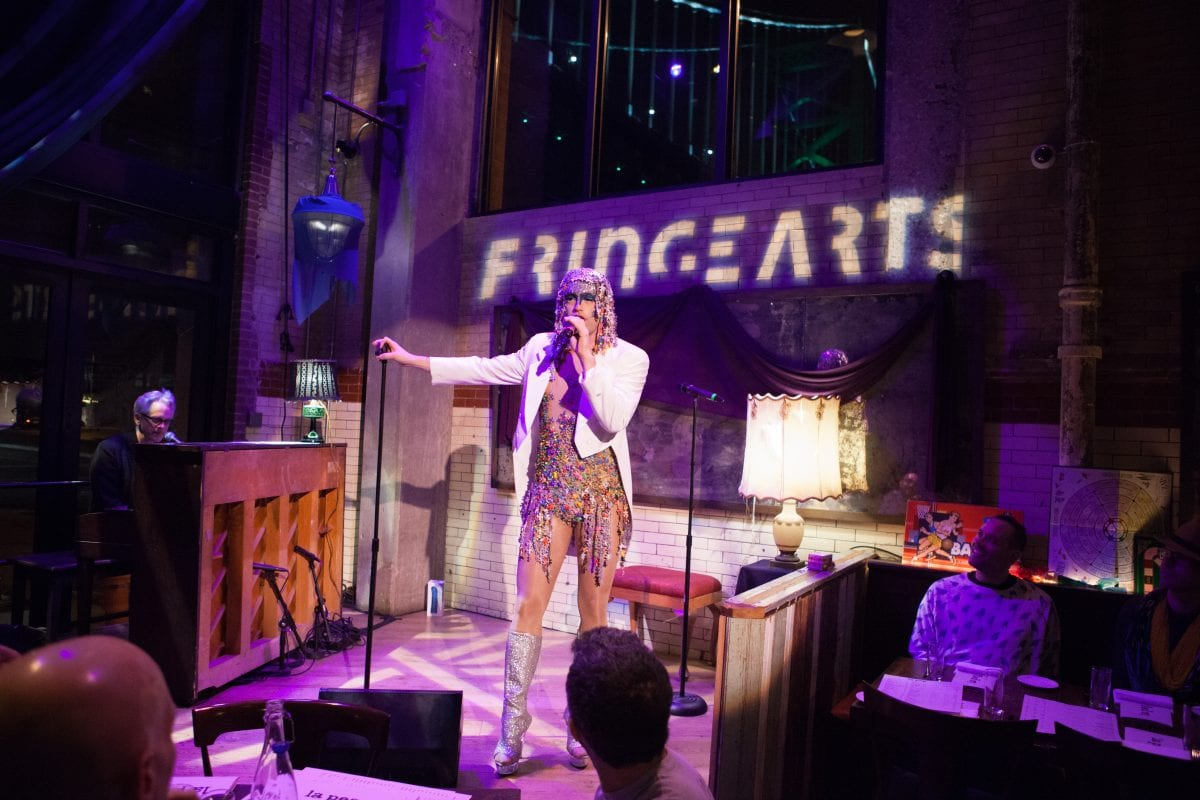
FringeArts serves as a global hub for experimental creativity. The program consciously rejects rigid genre boundaries, encouraging hybrid and innovative formats that defy classification. This is a place where artists test the limits of what is possible on stage.
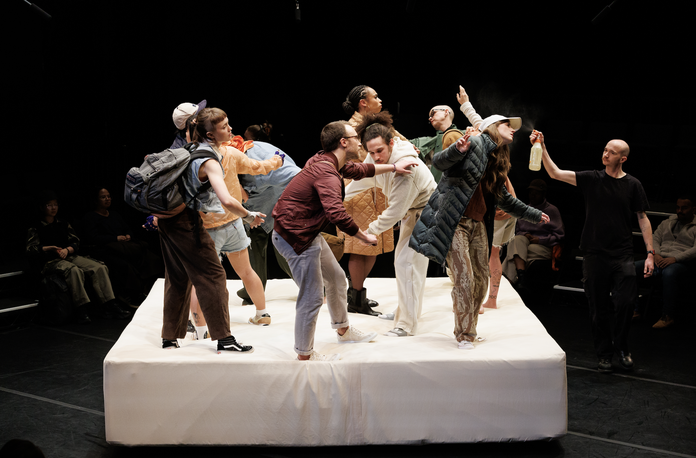
- Immersive Theatre: Performances where audience members cease to be passive observers and become active participants in the action, radically changing the perception of the event.
- Physical Drama and Dance: Performances where communication occurs primarily through the body, movement, and choreography, minimizing dialogue. For example, the works of the well-known local company Pig Iron Theatre Company. This makes the art universal.
- Multimedia Installations and Cyberperformance: The combination of live performance with cutting-edge technologies, such as video projections, electronic music, and other media, blurring the line between digital and real.
This genre freedom allows artists to express themselves more sharply, currently, and to respond quickly to contemporary social challenges.
From Local to Global
Although the festival remains a key platform for local Philadelphia artists, it also has a significant international impact. Each year, organizers deliberately invite global collectives known for their innovative approach and performance innovations to participate.
This ensures a two-way cultural exchange: the Philadelphia community learns about current trends and ideas from Europe, Asia, and other continents, and local collectives receive an invaluable chance to be noticed by influential international curators, critics, and promoters. Such integration elevates the city’s reputation as an important center of global avant-garde art.
Ensuring the Viability of Independence
FringeArts is not only a creative but also an important economic catalyst. Its existence supports numerous independent studios, technical specialists, artists, and young actors. The festival provides vital financial and logistical resources. Often in the form of grants and accessible venues, so that independent projects can take place without the strong pressure of large commercial sponsors or the need to cater to the mass consumer. This creates a healthy ecosystem where the survival of a collective depends on artistic quality and ideological strength, rather than the ability to quickly sell thousands of tickets.
Freedom of Performance as a City Value
FringeArts is something much greater than just an art event. It is an annual declaration of creative freedom and proof that ideas and experiments are more significant than budget and tradition. Its boldness, decentralization of locations, and openness to genre experiments firmly cement Philadelphia as a key link in the chain of global avant-garde performance. This confirms that the spirit of independence, instilled in the city by the founding fathers, is still alive and manifested in art.

