


Residents and visitors of Philadelphia have the opportunity to visit many renowned theatrical venues. The art of theater has been developing in the city for several centuries, constantly improving and seeking new creative paths. If you wish to immerse yourself in the theatrical atmosphere of the 20th century, the Miller Theater is well worth a visit. This venue, with over 1,800 seats, has been restored multiple times, but its historic spirit has always been preserved. Here, classic Broadway traditions are upheld, and it presents audiences with interesting and extraordinary productions in a sophisticated atmosphere. Learn more about the history and present day of this Philadelphia theater at philadelphia-trend.
Philadelphia’s Miller Theater: A Brief Overview
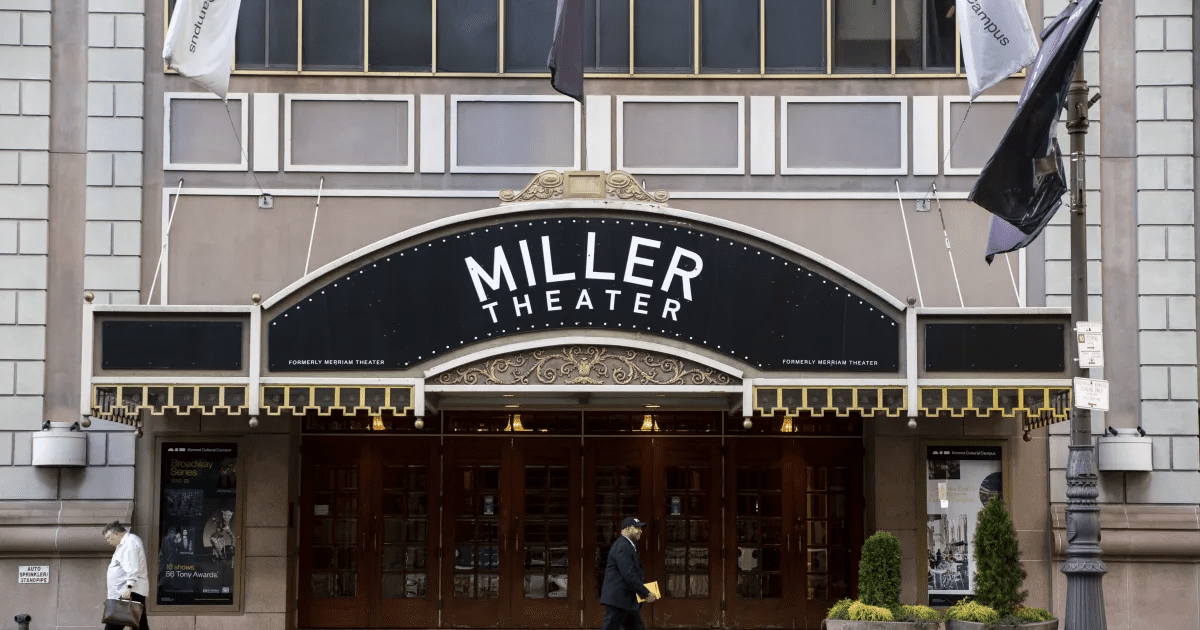
The Miller Theater, also known as the Shubert Theater and the Merriam Theater, is one of the city’s premier venues for touring Broadway productions. It is located in the heart of the city, in the Avenue of the Arts district at 250 South Broad Street. The theater was built in 1918 by the Shubert Organization, so it boasts a history spanning more than a century.
In 1972, the theater became the property of the University of the Arts. It was renamed in honor of businessman John Merriam in 1991. In 2016, it was acquired by the Kimmel Center for the Performing Arts. The Miller Theater received its current name in 2022.
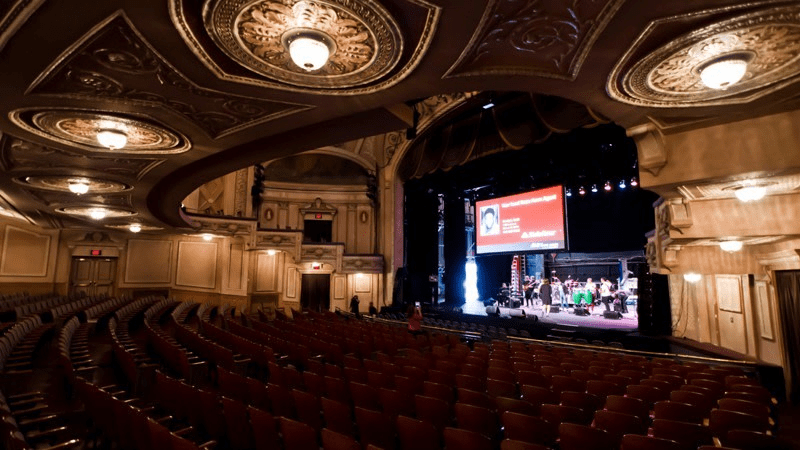
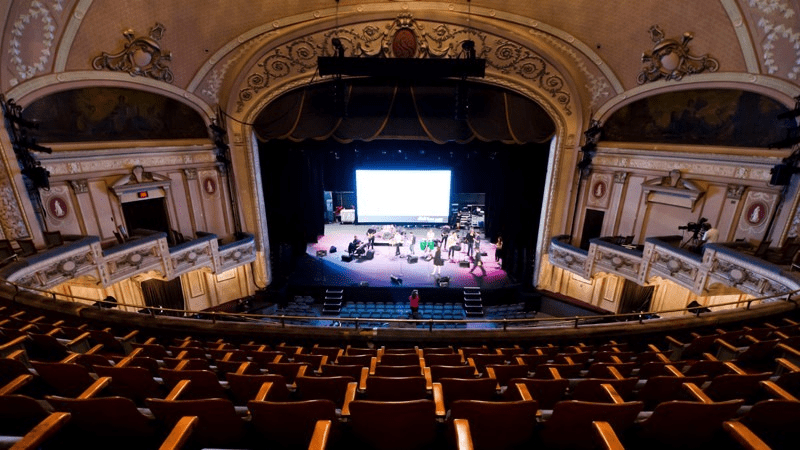
It seats 1,842 audience members, has three levels, and all the necessary modern amenities for a comfortable viewing experience. The current repertoire can be found on the theater’s website, where a virtual tour of the premises and information about rental opportunities are also available.
The Beginning of the Theater’s History
In the early 20th century, theatrical producers Lee and Jacob J. Shubert decided to build a theater in honor of their brother, Sam S. Shubert. He had tragically died in a railroad accident. The result was not one, but two new theaters—one in New York and the other in Philadelphia.
The Philadelphia Shubert Theatre was built in 1918, designed by architect Herbert J. Krapp. Previously, the site was home to a horticultural hall. The building was partially dilapidated, so most of it was demolished. However, they left the marble staircases and skillfully incorporated them into the new theater’s lavish interior design. In total, the building had seven floors. The theater occupied the ground floor, while the owners leased the remaining floors as office space.
The grand opening of the new theater took place in 1918. Audiences saw the musical Chu Chin Chow from London and New York, starring the famous American actress Florence Reed. Later, musicals by George Gershwin were frequently staged here. In the 1920s, John Barrymore played Hamlet on this stage, and in the 1930s, the genre of burlesque was presented here for the first time.
Among the other famous actors and actresses who performed on the Shubert Theatre stage were Katharine Hepburn, Helen Hayes, Angela Lansbury, Sammy Davis Jr., and Laurence Olivier. The theater’s repertoire has always been rich and varied, with a prevalence of Broadway shows.
Reconstructions, Changes in Ownership and Name
In 1958, the first reconstruction of the theater building took place, with the addition of several new rooms. In 1972, the University of the Arts became the owner of the Shubert Theatre.
The next modernization occurred in 1986. At that time, new sound equipment was installed and the stage was repaired. In 1991, the theater was renamed in honor of Philadelphian John Merriam. The renowned businessman had served for many years on the Board of Directors of the University of the Arts and took an active part in the city’s cultural life.
In 2016, the Kimmel Center for the Performing Arts became the new owner of the theater.
The Emergence of the Modern Miller Theater on Philadelphia’s Theatrical Map
The next renaming awaited the theater in 2022. This time, it was named in honor of Alan Miller. He was one of the founders of the Kimmel Center for the Performing Arts and stepped down from the organization’s leadership in 2016. He also founded Universal Health Services, a healthcare services company listed on the Fortune 500. Furthermore, Alan Miller donated funds for the restoration and modernization of this theatrical venue.
In one interview, he stated that he is proud of the privilege and opportunity to be associated with this theater, as well as to support its activities. Alan Miller hopes that future generations will be able to enjoy wonderful performances here, as has been the case for over a century.
Renovation work at the Miller Theater was planned for the summer of 2023. One of the tasks was to change the name on the theater’s facade, as well as to perform interior cosmetic work and improve the stage, lighting, and sound. Since then, the theater continues to operate, inviting audiences to view a variety of performances in a refined atmosphere reminiscent of the early 20th century.
Thus, in the pages of Philadelphia’s history, this theatrical venue is known as:
- The Shubert Theatre,
- The Merriam Theater,
- The Miller Theater.
Its name and owners have changed multiple times, but they have all made significant contributions to the theater’s development, enabling its successful operation in the 21st century. Learn more about the Forrest Theatre, which was also built on the initiative of the Shubert Organization.