

Long before New York and Los Angeles started to vie for the title of disco’s birthplace, a true musical revolution was quietly brewing in the studios of Philadelphia. It wasn’t just a new sound; it was a new philosophy of groove. The “Philadelphia Sound” (or Philly Sound), known for its velvety string sections, rhythmic guitars, and impeccable production, was the ideal bridge between the elegance of 60s soul and the unbridled energy of 70s dance floors. How exactly did this flawless orchestral style morph into the clean, danceable groove that defined an entire era of club life? We at philadelphia-trend.com will reveal how Philadelphia’s artists and producers created the blueprint that the entire disco world later adopted.
The Architects of the Style
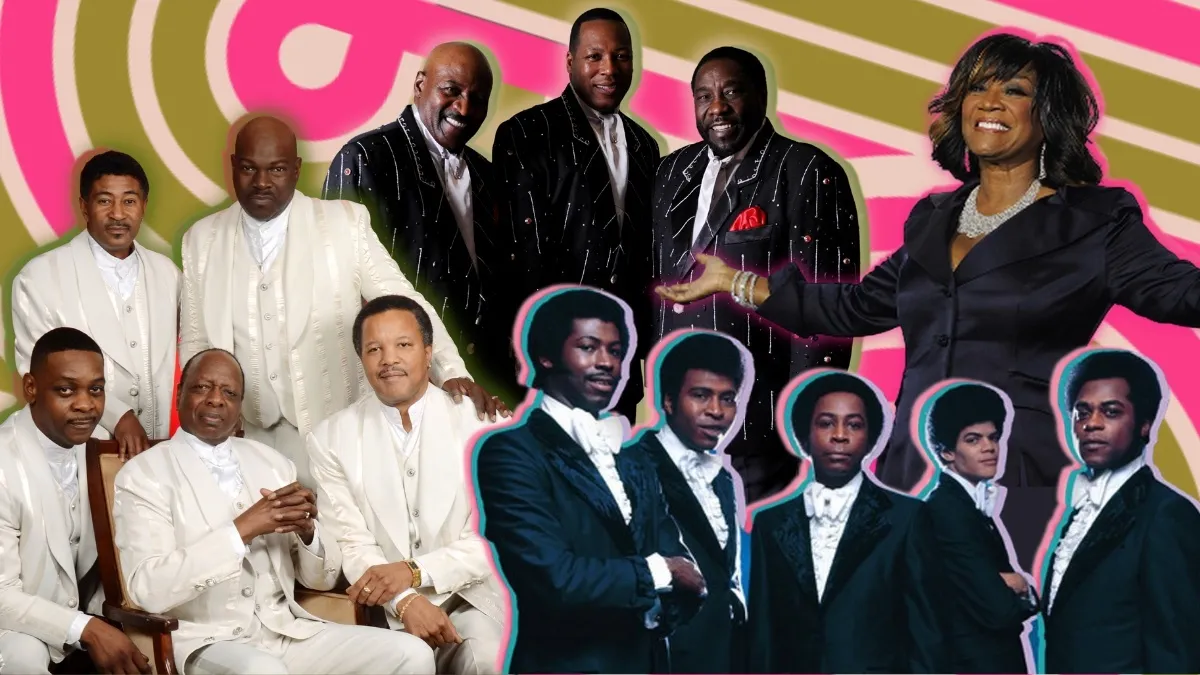
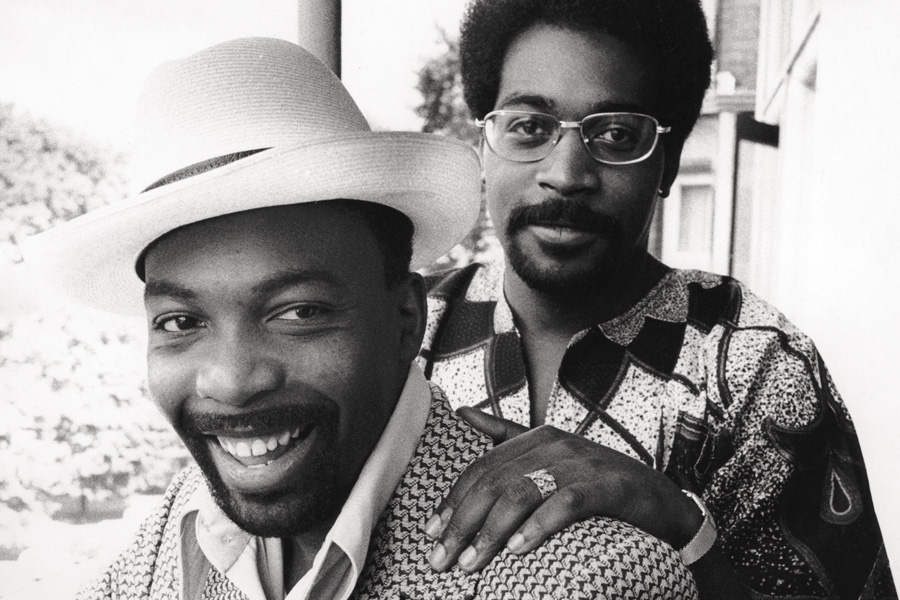
The heart and brain of the “Philly Sound” was an incomparable songwriting and production duo: Kenny Gamble and Leon Huff. These two musical visionaries, along with arranger Thom Bell, crafted the perfect formula for commercial success. In 1971, they founded their studio and label, Philadelphia International Records (PIR). Their goal was to compete with the Motown giant by offering a more mature, sophisticated, and orchestral sound. Their success was so striking that by the mid-1970s, PIR had become the second-largest African-American-owned music company in the United States, second only to the Detroit powerhouse. Throughout their partnership, Gamble and Huff wrote and produced 175 gold and platinum records.
Symphonic Soul in a Tuxedo
The “Philly Sound” was distinguished by a luxurious, almost symphonic texture that made it instantly recognizable. It was a fusion of soul, R&B, gospel, and jazz, wrapped in a shimmering pop package. In contrast to Motown’s more “dry” and simple recording style, PIR banked on the richness of the arrangements.
- Lush Strings and Horns. The use of large orchestral sections, including violas, cellos, and French horns, added drama and refinement.
- Hypnotic Rhythm Sections. A signature feature was the powerful, “pulsating” bass line and the rhythmic, “skimming” sound of the hi-hat cymbals, which created a continuous, danceable groove.
- Vocals. Clean, emotional lead vocals were often paired with falsetto background vocals, lending a special depth and sensuality to the melody.
The Studio Masters
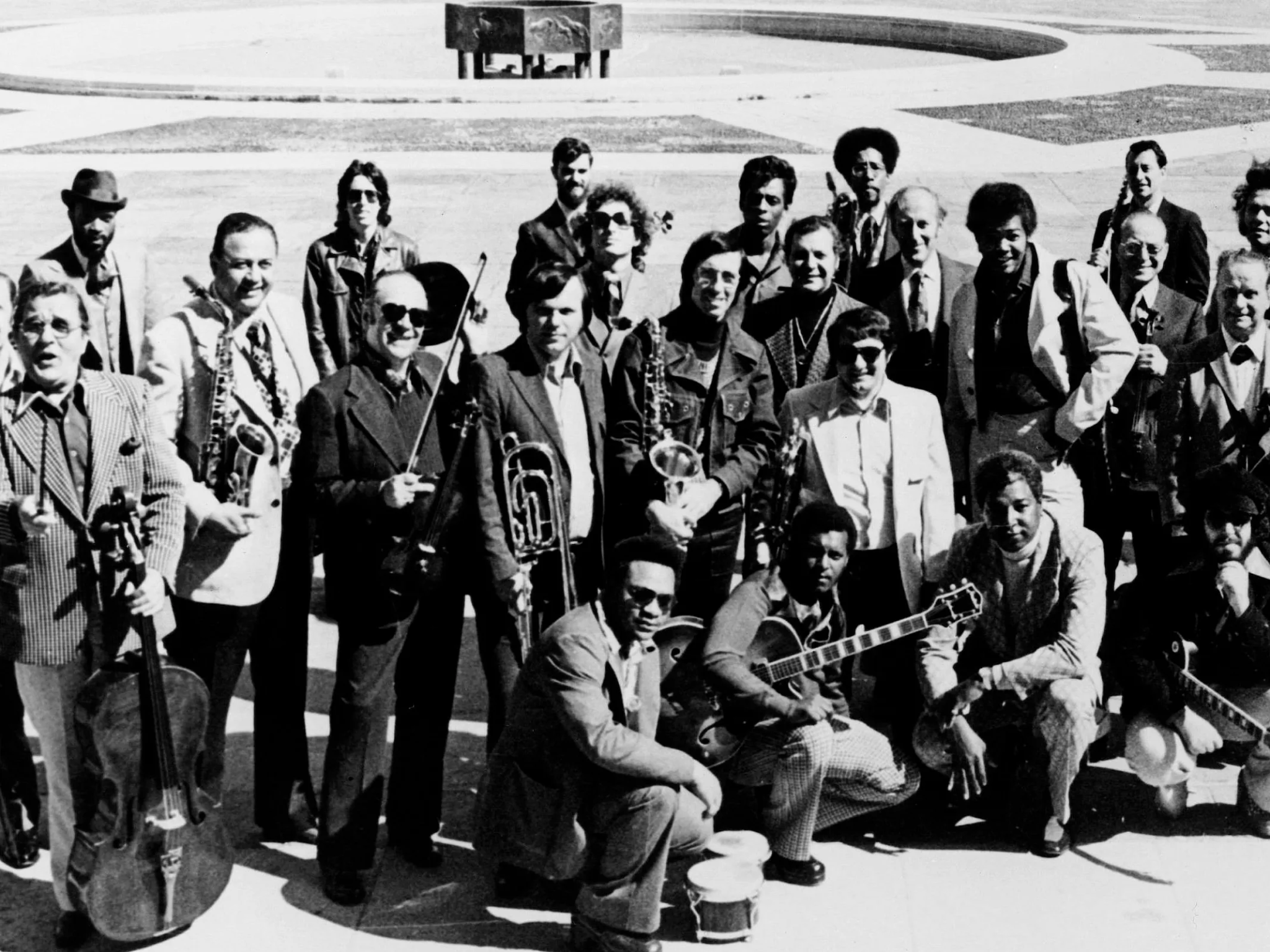
It’s impossible to discuss this phenomenon without mentioning MFSB (short for Mother, Father, Sister, Brother). This was a stable collective of approximately thirty virtuous studio musicians who worked exclusively for PIR. They were to the Philly Sound what The Funk Brothers band was to Motown in Detroit. All the records were created at the legendary Sigma Sound Studios, which, thanks to the talent of sound engineer Joe Tarsia and the mastery of MFSB, became a global hit factory.
It was MFSB that recorded the song “TSOP (The Sound of Philadelphia)” (1974), which became an instrumental number one hit on the Billboard chart and was chosen as the theme song for the popular television music show Soul Train. This track is the genre’s quintessence.
From Lyrical Ballads to Social Manifestos
The Philadelphia International Records catalog is filled with records that have become soul music classics. The label successfully worked with both new and experienced artists. There were dozens of such performers. Here are just the style’s icons.
- The O’Jays. Their songs “Love Train” and “Back Stabbers” combined energetic dance with sharp social commentary, reflecting the issues of the time.
- Harold Melvin & The Blue Notes. They presented powerful ballads like “If You Don’t Know Me by Now” and also launched the career of future sex symbol Teddy Pendergrass.
- Billy Paul. His hit “Me and Mrs. Jones” (1972) told a story of marital infidelity, demonstrating the mature thematic focus of PIR’s music.
- The Three Degrees. With the song “When Will I See You Again,” they showcased the genre’s ability to create enchanting, globally popular pop melodies.
Influence on the Formation of Disco and Today
Philly Soul played a critically important role in the evolution of dance music. Its rhythmic section with a distinct, non-stop beat and the use of orchestral elements became a direct precursor to disco. Many critics consider the hit “TSOP” one of the first chart-topping disco songs. PIR’s business model, where producers and songwriters controlled the entire process, inspired subsequent generations of musicians.
Even today, this elegant, velvety sound influences contemporary R&B and soul. Gamble and Huff’s production methods—a combination of “street” soul with high-end “parlor” sophistication—are a template for neo-soul and popular music artists.
Key Hits and Their Significance
| Artist | Song | Year | Significance for the Genre |
| MFSB | “TSOP (The Sound of Philadelphia)” | 1974 | The quintessential sound; the first chart-topping hit widely considered disco. |
| The O’Jays | “Love Train” | 1972 | An example of “danceable soul” with a positive social message. |
| Harold Melvin & The Blue Notes | “If You Don’t Know Me by Now” | 1972 | A classic example of a sophisticated soul ballad that became an international standard. |
| Billy Paul | “Me and Mrs. Jones” | 1972 | A hit that underscored the “adult” and dramatic lyrics of the Philly Sound. |
| The Three Degrees | “When Will I See You Again” | 1974 | A demonstration of the genre’s international appeal and pop potential. |
The “Philadelphianization” Effect
The campaign’s success was due not only to the genius of Gamble and Huff but also to unique industrial and social conditions. The founders of PIR consciously aimed to create a powerful African-American-owned company that would control not only the creative output but also the publishing business. This was a direct continuation of the civil rights movement, translated into the realms of economics and art.
PIR actively incorporated elements of social consciousness into their songs. Although many hits were love ballads, tracks like “For the Love of Money” (The O’Jays) and “Am I Black Enough for You?” (Billy Paul) openly touched on themes of capitalism, racial identity, and struggle, which made them more “adult” and significant compared to the pop soul of the time.
The uniqueness of the Philadelphia Sound was so appealing that other major artists and producers began flocking to the city to tap into its magic. This process became known as “Philadelphianization.”
Specific Examples of this Influence
- David Bowie. In the mid-70s, he came to Sigma Sound Studios to record his album Young Americans (1975). Bowie sought to incorporate “Black” American R&B into his sound, creating his own style which he dubbed “plastic soul.” This marked a critical stage in his career.
- The Jacksons. After leaving Motown in 1976, the Jackson brothers, including Michael Jackson, signed with CBS Records, but their first two albums (The Jacksons and Goin’ Places) were produced at PIR, ensuring the group a smooth transition to the more sophisticated and funky sound of the 70s.
Thus, the “Philly Sound” became so powerful that its influence extended far beyond the genre itself, reforming popular music.
The Climax of the Groove
The Philadelphia Sound is not just a page in music history; it is a defining factor that shaped an entire dance era. By using elegant orchestration and rich, velvety arrangements, Philadelphia studios were able to find the ideal bridge between 60s soul and the rhythmic needs of the 70s.
This style served as the technical and philosophical springboard for disco. The city’s producers proved that dance music could be complex, refined, and emotionally profound all at once. They popularized rhythm sections that carried a continuous, hypnotic groove, which was the perfect foundation for nightclubs. Philadelphia created an extraordinary precedent that was quickly picked up by other music centers. But it was here, in the “City of Brotherly Love,” that the aesthetic was born that ignited the global dance fever.

