

Philadelphia, known worldwide as the cradle of American democracy, actually holds an equally significant, though less obvious, title. It is the foundation for the American musical and operetta. Paradoxically, it was in the city where strict Quakers legislatively banned stage art for years that the love for musical-dramatic performances was born and flourished. This was inevitable. When the theater finally triumphed over Puritan restrictions, its expression became particularly vivid and explosive. From the first traveling troupes to the opening of grand opera houses, Philadelphia provided the intellectual base, a wealthy audience, and, most importantly, the boldness needed to transform European musical traditions into a new, truly American genre — the musical. We explore this topic further on philadelphia-trend.
Cultural Center of Early America
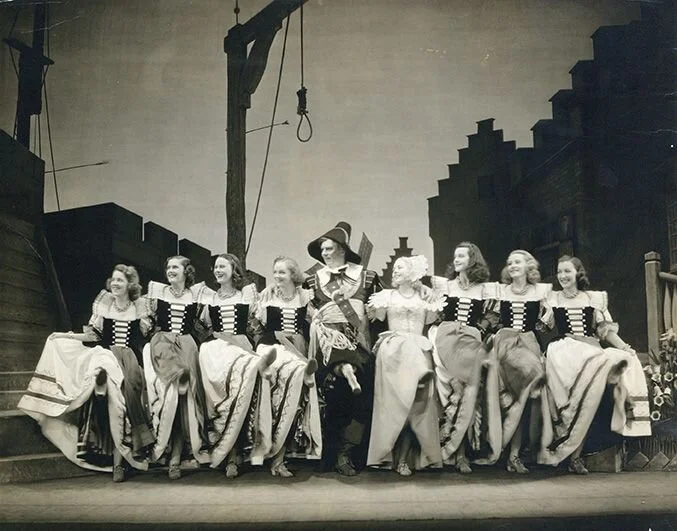
Throughout most of the 18th century and up to the 1830s, Philadelphia held the undisputed status as the theatrical capital of the United States, long preceding even New York. This dominant cultural status was not accidental and became crucial for the formation of local musical-dramatic traditions.
This primacy ensured the city priority in introducing and adapting complex European genres that required significant resources and high professionalism. This includes, in particular, opera and its lighter variants: ballad operas and operettas (or comic operas). Philadelphia was the first to host European troupes and quickly incorporated these formats into its repertoire.
The high demand for high-quality musical spectacles was driven by the presence in the city of an sophisticated audience and wealthy patrons. These affluent citizens, who desired a cultural level comparable to London or Paris, ensured stable financing and created the necessary competition among performers. It was this financial and aesthetic base that allowed the genres that were the direct ancestors of the American operetta to develop. Local composers and arrangers actively worked on creating original or adapted works, mixing European musical form with American humor and storylines.
The Birthplace of Serious Opera
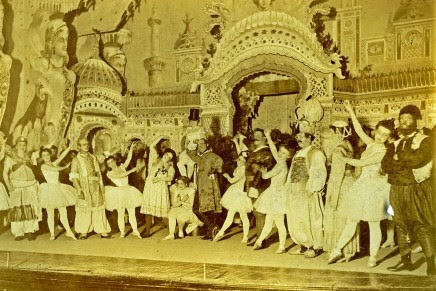
Philadelphia holds important historical firsts in musical theater, which solidified its reputation as a center of classical art. It was here that the first known serious opera performance in the country took place, a landmark event for the genre’s establishment. This defining performance occurred in 1757. It was initiated by students of the College of Philadelphia (now known as the University of Pennsylvania). They presented the public with an adaptation of the then-popular work The Masque of Alfred by the English composer Thomas Arne.
This musical-dramatic work, though a masque rather than a full-fledged opera in the modern sense, contained all the key elements of the genre:
- integration of acting and dramatic plot;
- music (vocal parts and instrumental accompaniment);
- use of costumes and sets.
This early student performance marked the integration of these key elements for any major musical work and laid the foundation for the American public’s reception of complex European musical forms.
Historic Venues as Laboratories
Philadelphia quickly became home to the first permanent theater structures in the colonies, providing a stable foundation for musical-dramatic productions. These architectural centers were true laboratories where professional performance culture was shaped.
Southwark Theatre (1766)
The “Southwark Theatre” became the first permanent theater building erected in Philadelphia. It quickly became the key stage for ballad operas — light performances combining songs and spoken dialogue. This genre, which was a popular and accessible form of entertainment, effectively proved to be the direct precursor to the American musical, establishing the audience’s habit of mixed format.
Chestnut Street Theatre (1794)
The “Chestnut Street Theatre” opened at the end of the 18th century and was considered one of the most luxurious and technically equipped stages in the country. Its majestic appearance and powerful stage made it a major center for serious opera and musical performances, attracting European stars. This theater raised the bar for the quality of sets, orchestration, and vocal performance, instilling high standards of art in the audience.
Walnut Street Theatre (1809)
The “Walnut Street Theatre” (founded in 1809) holds the unique status as America’s oldest continuously operating theater. The most famous actors of their time performed on its stage, and the theater itself was the site of numerous American theatrical innovations. Its long history demonstrates flexibility: it adapted to changing tastes, staging both drama and numerous musical premieres.
These long-standing buildings were the living foundation upon which the professional directing and performance skills necessary for complex musical genres developed, paving the way for the emergence of the full-fledged American musical.
The Era of Operetta and Light Genre
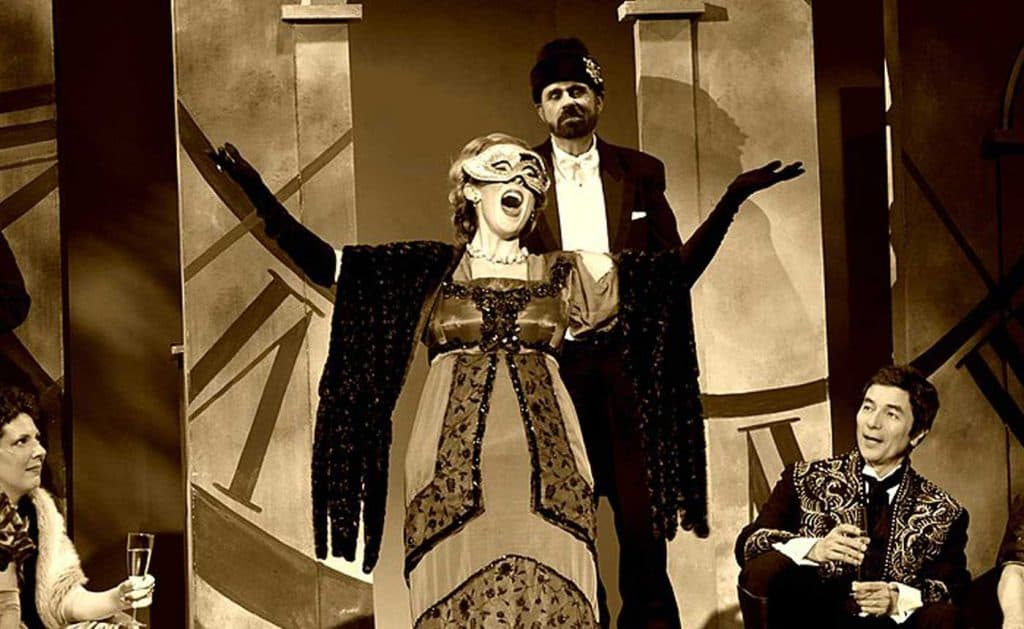
In the late 19th century, a true boom in American operetta began in the United States. This romantic genre quickly captured audiences because it successfully combined a light, often ironic plot, virtuosic orchestral music, and captivating dance scenes. Operetta became the direct precursor to modern musical comedy, or the musical, offering the public high-quality entertainment.
Philadelphia, due to its status as a cultural capital, was a vital stop on the touring routes of national and international theater companies. It was here that premieres took place and numerous operetta performances were presented, which tempered the tastes of the local audience for the musical-comedy format.
Furthermore, at the turn of the century, the city became one of the central hubs for the development of burlesque. The genre emerged as a daring, often vulgar parody of famous operas and classical plays, characterized by satirical wit. This genre relied on energetic music, dancing, and comic sketches (Vaudeville). This “low” genre had a significant, albeit indirect, influence on the structure and humorous element of the early American musical, adding a popular spark and dynamism that the classical European operetta lacked. The blending of these two directions — sophisticated operetta and popular burlesque — became the catalyst for the birth of the musical.
Modern Legacy
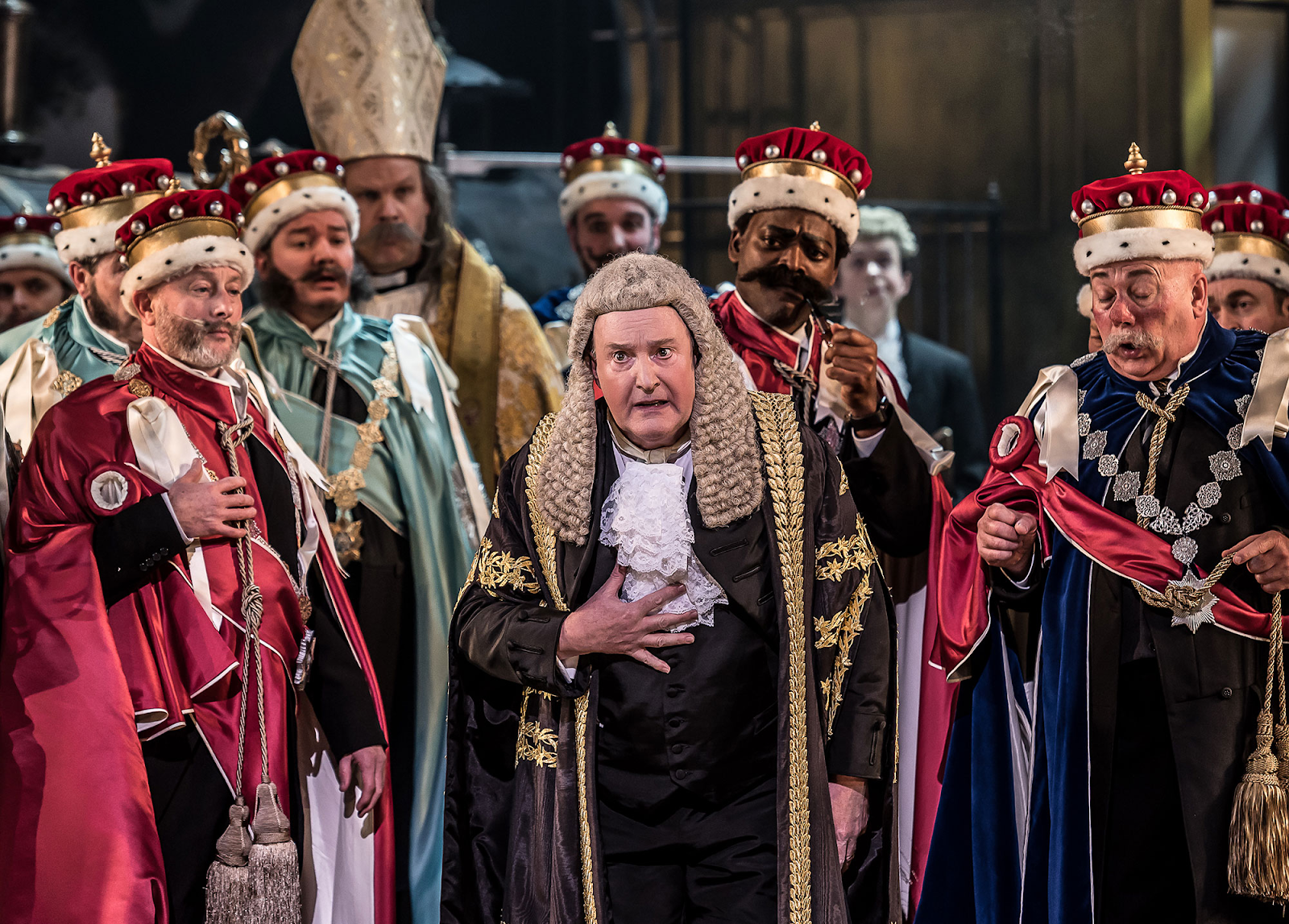
Today, Opera Philadelphia continues this refined musical heritage, actively supporting innovative projects and contemporary composers. Their activities ensure the relevance of the classical vocal genre in the 21st century, maintaining a high performance standard in the city. This demonstrates that although the epicenter of the musical has moved to New York, Philadelphia has retained its status as a culturally significant center for opera and musical-dramatic creativity.
Below are the key factors in the role of the City of Brotherly Love in the establishment of musical theater in the US.
| Period | Dominant Musical Genre | Key Achievement / Influence |
| 18th Century | Ballad Operas, serious opera (adaptations). | The city became the theatrical capital and the site of the first serious opera performance in the US. |
| 19th Century | Operetta, classical opera, early burlesque. | Construction of landmark theater buildings (Walnut Street, Chestnut Street) and the formation of professional performance traditions. |
| 20th–21st Century | Opera (Opera Philadelphia), experimental theater. | Preservation of the academic base and promotion of music integration into avant-garde theater formats (e.g., FringeArts). |

