

Before MTV became the ultimate symbol of music culture, there was only one place where teenagers across America learned what to listen to, how to dance, and what to wear: the WFIL studio in Philadelphia. This was the birthplace of a television phenomenon that didn’t just broadcast music—it shaped the tastes, fashion, and social norms of an entire era. “American Bandstand” transformed WFIL-TV’s Studio B into the true epicenter of the rock ‘n’ roll revolution, briefly making the “City of Brotherly Love” the capital of pop culture.
The show was more than just a television program. It was a cultural transformation. Host Dick Clark turned the modest local broadcast into a national phenomenon that, starting in the mid-1950s, not only popularized rock ‘n’ roll but also created the first-ever integrated youth television audience. How exactly this show became a key architect of the American mainstream, defining hit parades and shaping teenage fashion for decades to come, is what we explore next at philadelphia-trend.com.
From Local Favorite to National Phenomenon
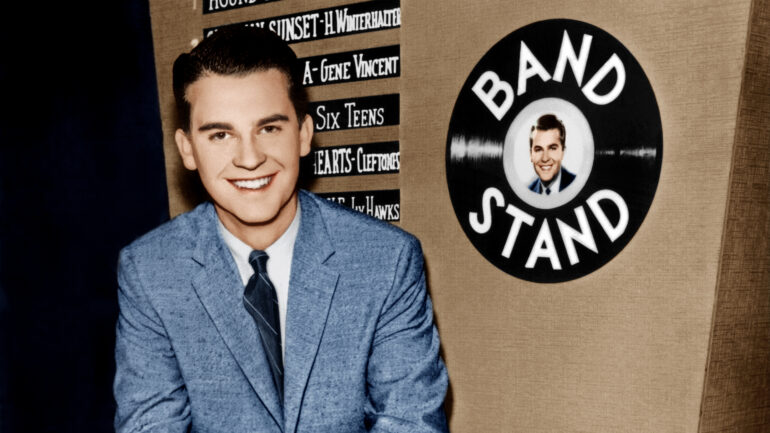
The story begins in 1952, when a project called “Bandstand” premiered on local TV station WFIL-TV. It was a daytime program where teenagers gathered in the studio to dance to popular records. The first host was radio DJ Bob Horn. The show quickly gained immense popularity among the youth of the Delaware Valley—at the time, the third-largest market in the United States, reaching about six million viewers. Horn proved a key principle: kids love watching other kids dance.
The Dick Clark Reboot
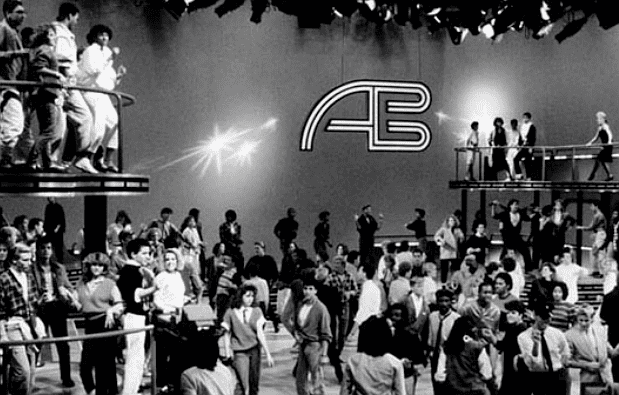
A pivotal moment occurred in 1956. After a scandal involving Horn’s arrest, his spot was taken by a different, much younger DJ—Dick Clark. Unlike his predecessor, Clark had an “immaculately clean, non-threatening image,” which was crucial for a conservative television audience. It was Clark’s initiative that led to the show being renamed “American Bandstand” and launched it onto the national stage.
The national broadcast on the ABC network took place on August 5, 1957. The show aired at 3 p.m., immediately after the school day ended. The success was instantaneous, with the audience soaring to 20 million viewers. Clark rapidly became one of the most important “tastemakers” in popular music.
The Code of Conduct
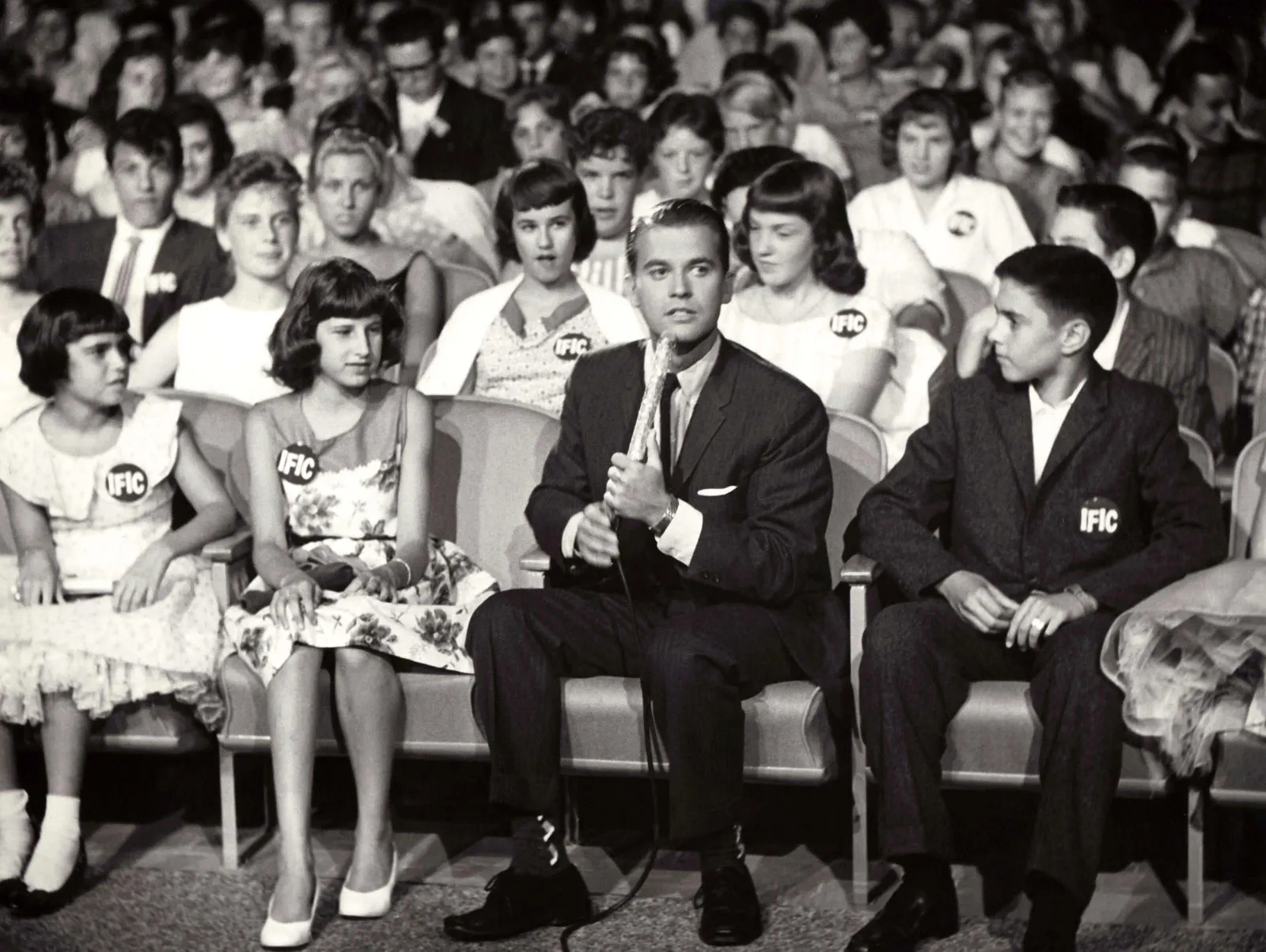
Clark didn’t just host the show; he strictly controlled the image and behavior of the participants. This was part of a strategy aimed at making rock ‘n’ roll acceptable to adults. Clark introduced rigorous rules:
- Boys had to wear a jacket, shirt, and tie.
- Girls were forbidden from wearing tight sweaters, low-cut necklines, or trousers.
These rules turned the American Bandstand studio audience into a kind of style template. For instance, many of the girl dancers wore “Peter Pan” collars, which were part of their Catholic school uniforms. This item of clothing even triggered a nationwide fashion trend.
Promoting Integration—and Hiding It
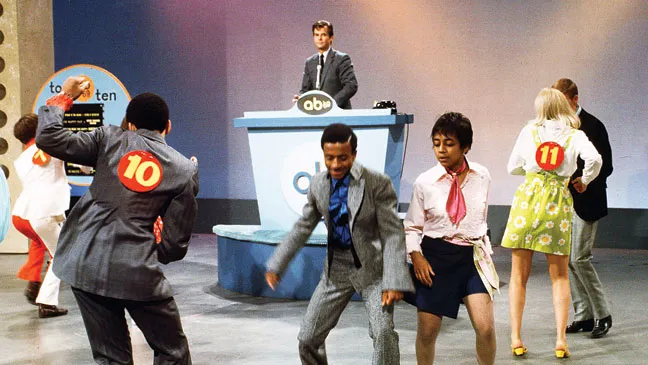
While the show was instrumental in promoting music by Black artists, the story of racial integration was controversial. On one hand, giants like Chuck Berry and Sam Cooke debuted on the American Bandstand stage, which significantly contributed to the advancement of racial equality in the music environment.
However, the policy for accessing the Philadelphia dance floor was discriminatory, and Black teenagers rarely made it into the studio. This inconsistency between the performing artists and the audience makeup became a subject of protest. Clark himself later claimed to have “integrated” the show, but music historians emphasize that the real struggle for desegregation was waged by Black youth in Philadelphia who demanded access.
The Hit Factory
The program’s impact on the music business was colossal, transforming it into a genuine breeding ground for young talent. An appearance on American Bandstand guaranteed an artist national attention, which, in turn, generated record sales. The show became the first national platform for a whole galaxy of artists.
For example, this is where the television debuts of stars such as:
- Paul Anka (August 1957)
- Buddy Holly (August 1957)
- Jerry Lee Lewis (August 1957)
In addition, Clark actively promoted Italian-American teenage idols from South Philadelphia, such as Frankie Avalon and Bobby Rydell, who became mainstream successes.
In the video below, Clark himself introduces the names that were discovered for the whole world right on his broadcasts.
The End of the Philadelphia Era
The American Bandstand period in Philadelphia lasted until 1964. The reasons for the move were multifaceted:
- Shifting Music Center. By the early 1960s, Los Angeles had become the new “heart” of the industry, especially due to music focused on surfing and car culture.
- Clark’s Business Interests. The star host sought to expand his activities in television production and a film career, which required a presence in Hollywood.
- Transition to Weekly Format. In August 1963, ABC moved the show from a daily to a weekly Saturday broadcast. This reduced its impact as a “revealer of potential hits” and stripped it of its daily “spontaneity.”
In February 1964, the program left Studio B on 46th Street and relocated to Los Angeles, where the show continued until 1989, ultimately cementing its status as a television legend.
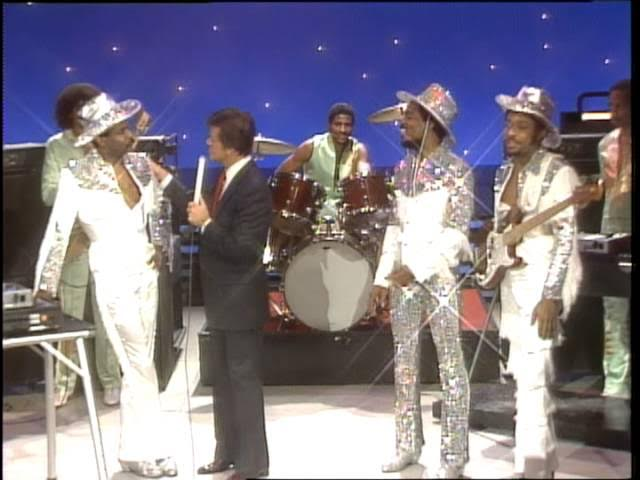
Impact on American Culture
American Bandstand is significantly more than just a television show about dancing. It is the living history of American youth culture, fashion, and music. For nearly four decades, the show served as a powerful cultural litmus test, defining what was “cool” for an entire generation.
Bandstand didn’t just showcase hits—it created them. For an artist, an appearance on the show was a ticket to national recognition. It was the most important platform that allowed the music of Black performers, such as Chuck Berry and James Brown, to reach a predominantly white audience in prime time. In this way, the program played a key role in breaking down racial barriers in pop music, integrating rock ‘n’ roll and soul into the mainstream.
The show standardized the concept of “popularity” and became a mirror in which American teenagers saw themselves. It taught them how to dance, how to dress, and how to socialize. From bouffant hairstyles to trendy dance moves, Bandstand was the unparalleled trendsetter.
The show’s influence is eternal. It set the precedent for all subsequent music television programs, from Soul Train to MTV. Today, when we look at dynamic, multicultural, and musically oriented media, we see a direct legacy of American Bandstand. This show didn’t just reflect a changing America—it helped create it.
Below are key aspects of the iconic Philadelphia program:
| Aspect of Influence | Description | Formative Period (Philadelphia) |
| Market Formation | The first national television platform focused exclusively on teenagers ($9 billion consumer market). | 1957–1964 |
| Musical Integration | Gave Black artists (Chuck Berry, Sam Cooke) unprecedented national visibility on commercial TV. | Late 1950s |
| Fashion and Dance | Created and disseminated national dance crazes (The Twist, The Jitterbug, The Stroll), as well as unified teenage clothing style. | 1957–1962 |
| “Cleaning Up” Rock ‘n’ Roll | Presented rock music to parents as “safe” entertainment supervised by a “clean-cut” host. | 1957–1960 |

