

The band “The War on Drugs” is an unexpected success story that unfolded slowly but surely. Founded in Philadelphia, this musical collective managed to blend the majestic, atmospheric rock ‘n’ roll of the ’80s with the meditative depth of indie rock, creating a signature sound. Critics often label this new direction “neo-psychedelic heartland rock.” Led by songwriter Adam Granduciel, the band’s journey is a prime example of how artistic perseverance and dedication to detail can propel an underground project onto the world’s biggest stages, including a Grammy triumph. Read more about the band’s peaks and valleys at philadelphia-trend.com.
The Genesis and the Creative Split
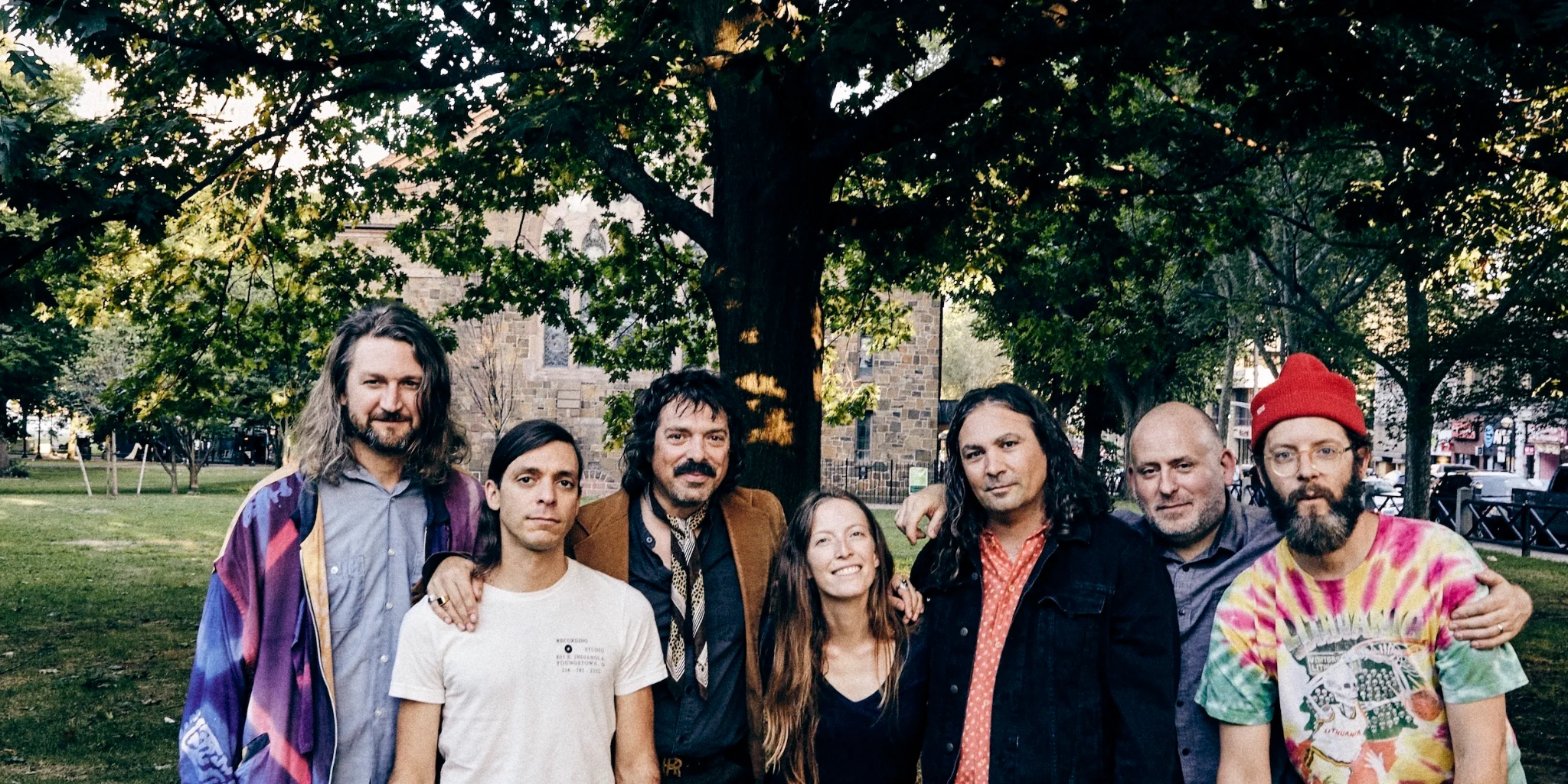
The collective’s story began in Philadelphia in 2003, when Adam Granduciel moved from California and met fellow musician Kurt Vile. Both discovered a mutual passion for the music of Bob Dylan and Bruce Springsteen. They quickly started collaborating, and by 2005, the duo had formed “The War on Drugs.” Their first studio album, Wagonwheel Blues, was released in 2008. However, immediately after its release, Vile departed to focus on his career, leaving Granduciel as the sole constant member. This early split forced Adam to take complete control over the band’s musical direction, which ultimately defined the team’s unique aesthetic.
Weaving Their Sonic Tapestry
The second album, Slave Ambient (2011), became the defining moment for the band’s identity. During this period, the frontman began employing his signature studio technique: layering numerous tracks, synthesizer washes, and heavy guitar reverb. This process allowed him to create an “ambient” sound described as dense yet simultaneously dreamy. This meticulous attention to the smallest sonic details transformed the band from a simple rock outfit into creators of expansive soundscapes, earning them significant critical acclaim.
The release of their third studio effort, Lost in the Dream (2014), marked the true breakthrough. Adam Granduciel created the material after an extended tour, navigating a difficult period of intense loneliness and clinical depression. This personal experience became the central lyrical theme of the record, infusing the songs with profound, melancholic emotion. Despite the heavy context, the music emerged incredibly uplifting, merging Krautrock-inspired rhythms with the American songwriting tradition. The album garnered rave reviews, with many publications naming it one of the best of the decade.
Grammy Triumph and Mainstream Validation
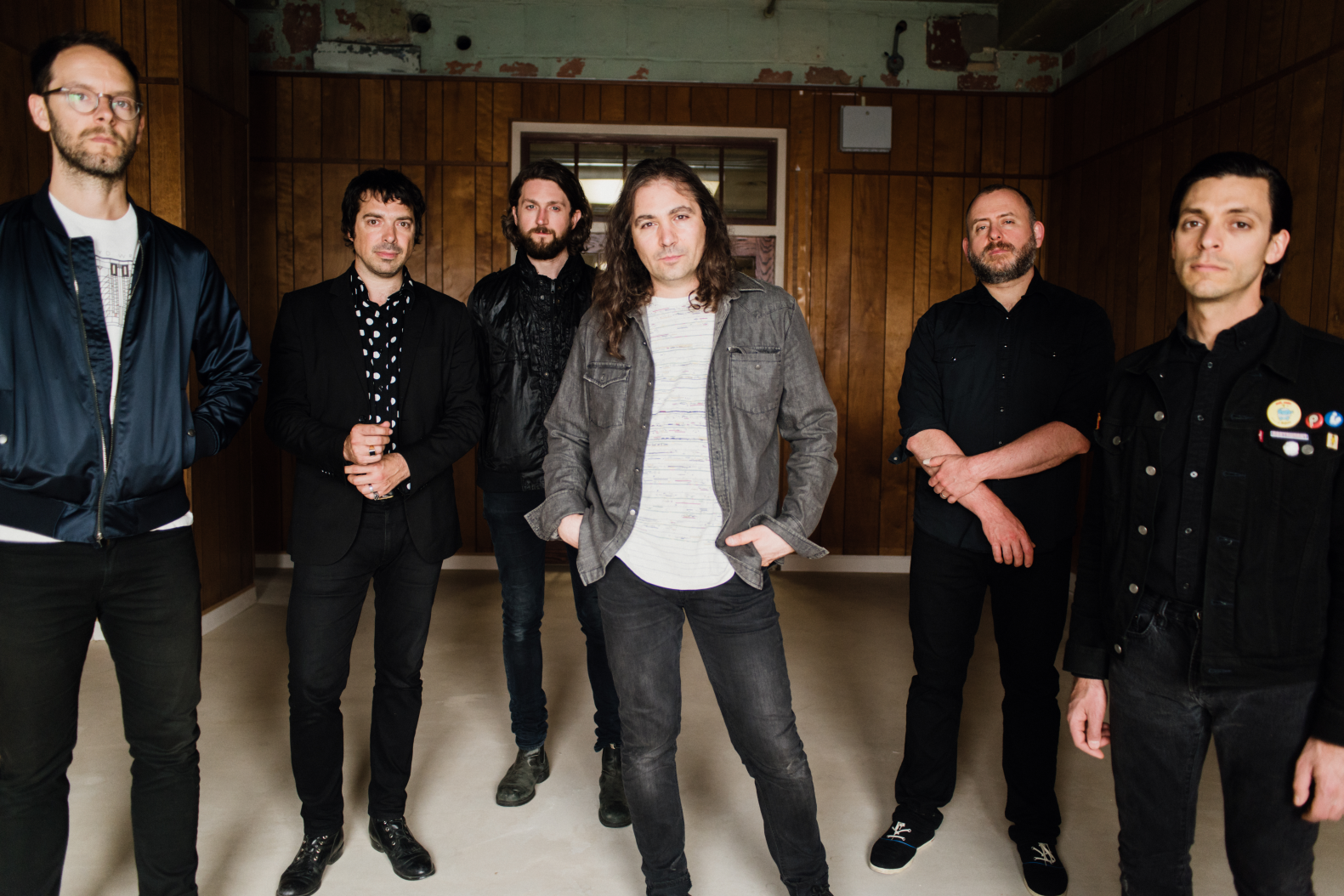
2017 was a pivotal year for “The War on Drugs,” as the band signed with major label Atlantic Records. This move signaled the transition of Adam Granduciel’s crew from the indie underground into the global mainstream league, yet without compromising their unique sound.
The album A Deeper Understanding, released in August 2017, was the result of years of titanic labor by Granduciel himself. He is notorious for his perfectionism and incredible attention to sonic detail, often reworking songs for months. Rather than simplifying the material for a wider audience—as often happens with a major label move—the music achieved even greater depth and refinement. Critics noted that the album sounded “more polished and majestic” than previous works. Tracks, particularly the eleven-minute masterpiece “Thinking of a Place,” underscored that Granduciel had not abandoned his psychedelic soundscapes; instead, he made them clearer and more emotionally charged.
The Unexpected Grammy Win
The culmination of their success came at the 60th Annual Grammy Awards in January 2018. A Deeper Understanding was nominated for the prestigious Best Rock Album category. The Philadelphia band was competing against experienced and commercially powerful acts, including Metallica, Queens of the Stone Age, and Mastodon. “The War on Drugs'” victory in this category was significant for several reasons:
- The Triumph of Indie Aesthetic. It confirmed that meticulous, atmospheric music that demands focus from the listener could be recognized at the music industry’s highest level.
- Mastery Recognized. The award served as official recognition of Granduciel’s sound design, which he had developed for years in his home studio, layering dozens of sonic tracks.
Media reported that Adam Granduciel himself learned of the win while on tour in New Zealand, which only reinforced his status as an artist focused on creation rather than industry fanfare.
The Impact on Indie Rock
This Grammy win did more than just solidify “The War on Drugs’” success; it sent a clear signal to the entire music community. The victory validated that indie rock, having grown from the American underground, had achieved full mainstream recognition. The band became an important bridge between the nostalgic sound of heartland rock (Bruce Springsteen, Tom Petty) and contemporary, layered atmospheric music. Their example proved that high artistic quality and attention to unique atmosphere can compete with the mainstream, transforming the Philadelphia collective into one of the most influential American rock bands of the modern era.
Legacy and Innovation
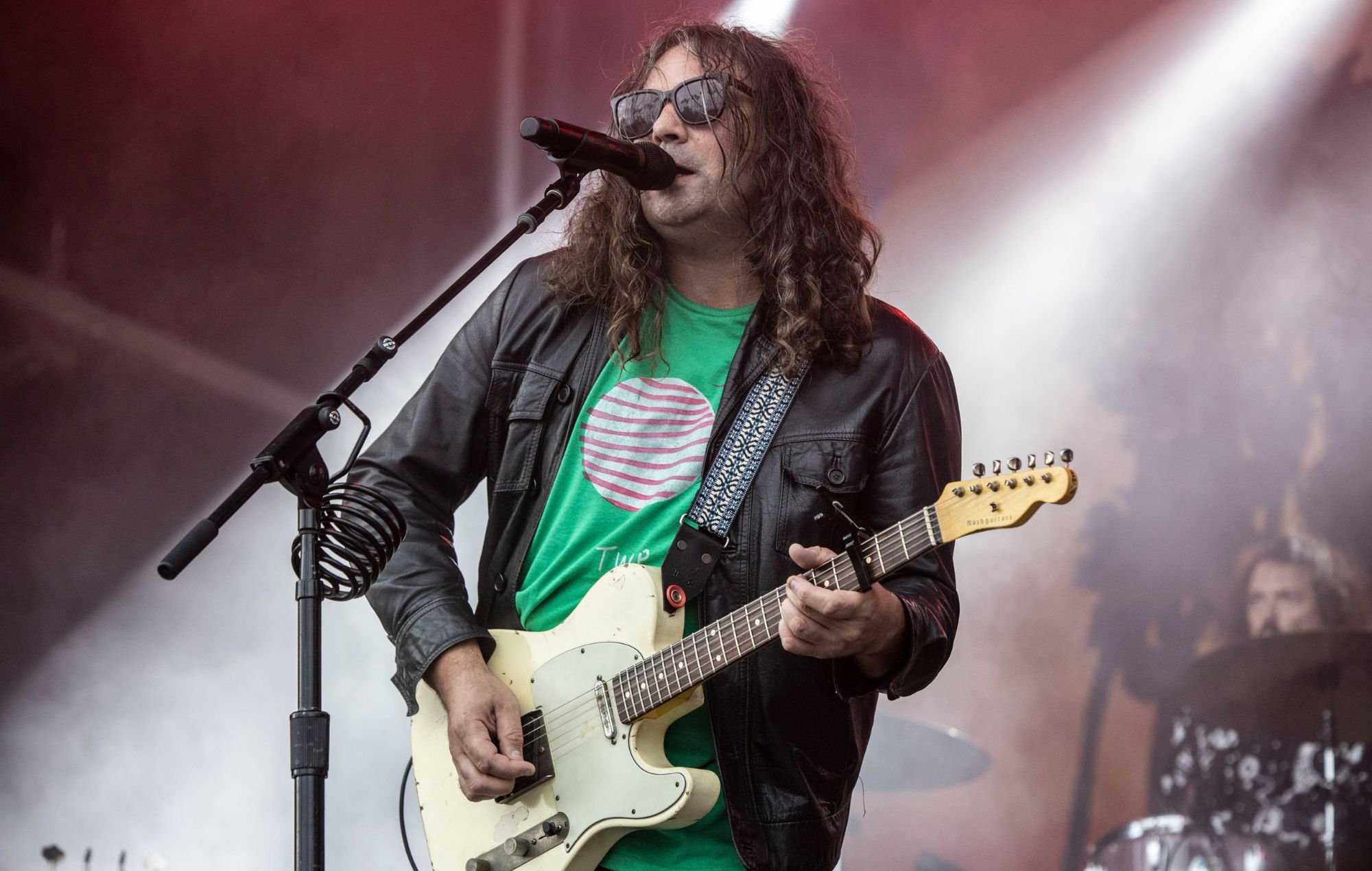
The musical identity of The War on Drugs rests on a singular blend of historical rock traditions and modern innovations, making their sound both nostalgic and forward-thinking. Frontman Adam Granduciel masterfully utilizes elements borrowed from his idols, yet transforms them into something utterly new.
Granduciel’s vocal delivery, which is husky and somewhat obscured, indeed recalls Bob Dylan, particularly from his late 60s and early 70s period, imbuing the songs with a sense of the “American bard” and philosophical depth. However, unlike Dylan’s acoustic simplicity, the band’s musical backdrop is epic and richly textured.
The group consciously references the “heartland rock” of Bruce Springsteen (especially the Born to Run era), employing powerful, driving guitar riffs and synthesizers that create a majestic, arena-ready atmosphere. Added to this is the influence of the layered guitars and spatial sound characteristic of Dire Straits (and their guitarist Mark Knopfler)—this provides the signature clean, yet saturated, melodic lines. This combination allows the ensemble to sound both intimate and large-scale.
Key Elements of Style
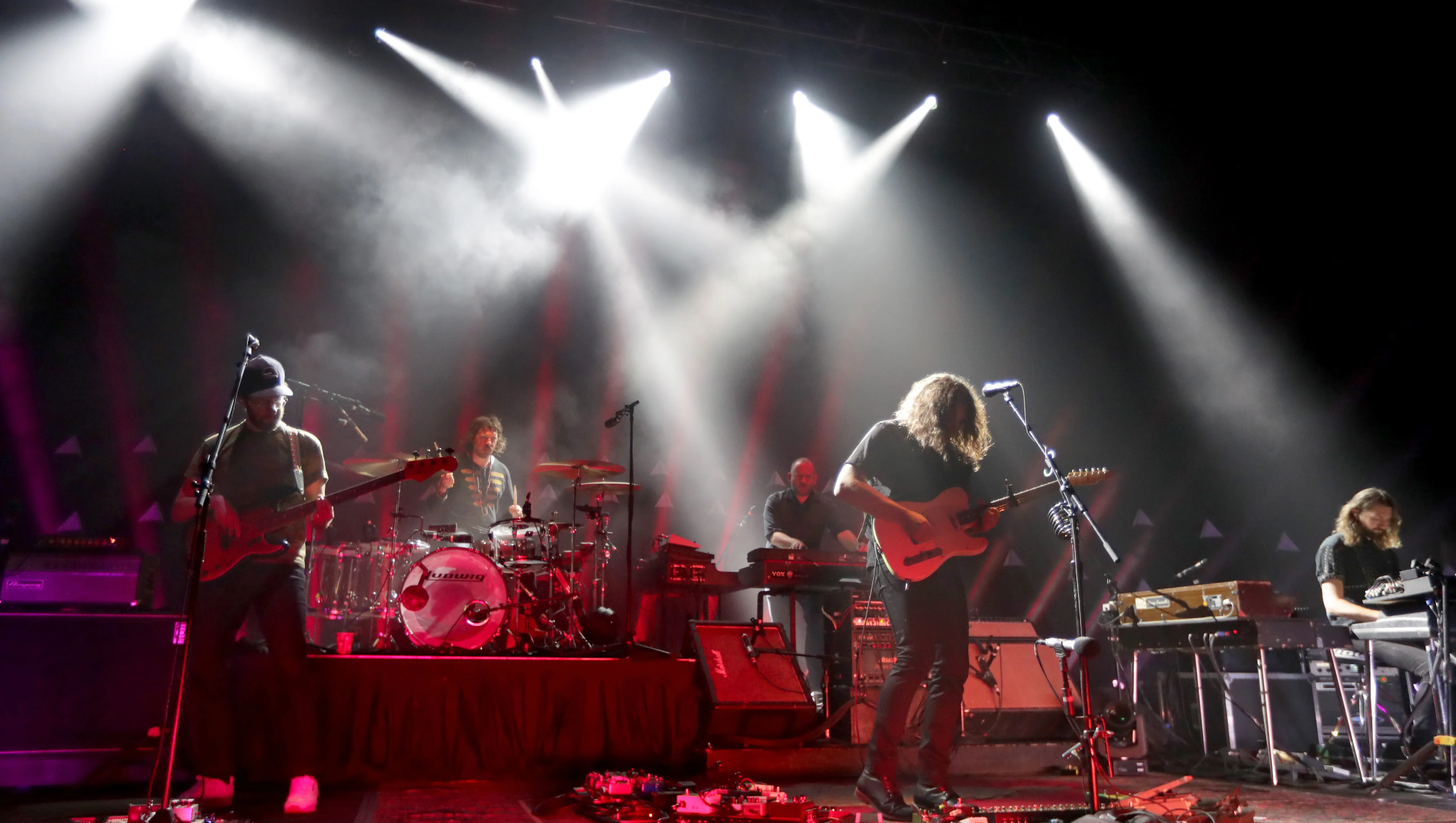
The style of «The War on Drugs» is the result of a meticulous studio process, where sound is constructed like a complex architectural edifice:
- Saturated Soundscapes: This is achieved through the excessive, yet controlled, use of reverb and delay effects, particularly on the guitars and synthesizers. This creates a feeling of boundless, open space or a sonic “haze” through which the melody barely emerges. This lends the music a meditative quality and allows the listener to “immerse” themselves in the auditory flow.
- Driving Rhythms: The core of many of their tracks consists of repetitive, hypnotic rhythms often inspired by German Krautrock—specifically groups like Can and Neu!. These rhythmic “motors” create a sense of continuous motion, perfectly complementing the lyrical themes of journeys and escape.
- Melancholic Lyrics: Granduciel’s texts rarely tell straightforward narratives. Instead, they use imagery and metaphors reflecting internal states: loneliness, searching, dreams, memories, and existential musings. The lyricism functions as a component of the overall sound tapestry, often submerging into the reverb rather than asserting itself upfront, reinforcing the general feeling of a melancholy voyage.
Further Evolution and the Present Day
The release of the fifth studio effort, I Don’t Live Here Anymore, in 2021 marked the next stage in the group’s evolution. On this album, the band somewhat reduced the density of their sound, stepping back from the excessive “wall of sound” that dominated A Deeper Understanding. This move was strategic: it placed greater emphasis on clearer melodies and pop-oriented structures.
While the general atmosphere and sense of space were preserved, the compositions became more accessible, demonstrating Granduciel’s ability to pen clear, radio-friendly choruses. The record received high critical praise and another significant accolade: a “Grammy” nomination for the track “Harmonia’s Dream.” This confirms that after more than a decade and a half on their creative path, the collective has not stagnated. The War on Drugs continues to evolve and successfully create new material while maintaining its reputation as one of the most important and intriguing American rock bands of our time. They have proven their ability to blend artistic ambition with commercial success.

