

Doo-Wop is more than just a genre; it is a musical phenomenon that became the soundtrack for a generation that came of age in the 1950s. While its roots span New York, Baltimore, and other East Coast cities, South Philadelphia holds a unique place in its developmental history. It was here, in the tight-knit neighborhoods and on the street corners, that a distinctive harmony took shape, transforming a cappella singing into a powerful commercial force. We delve into this musical movement and its “Philadelphia footprint” further on philadelphia-trend.com.
The Sound of Post-War Streets
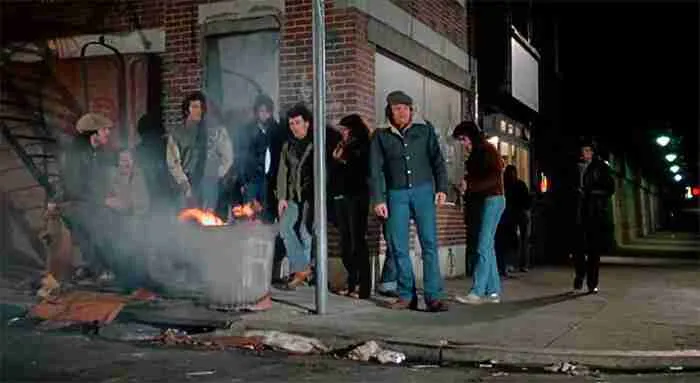
After World War II, the American music scene was rapidly changing. Doo-Wop, as a unique style, grew out of a blend of two main currents: vocal groups inspired by gospel music and rhythm and blues. In South Philadelphia, this synergy took on a special flavor. The poor yet densely populated Italian-American and African-American neighborhoods created the perfect environment for its development. Young men would gather in alleyways, under bridges, and by lampposts, using the natural reverberation of urban buildings as their rehearsal rooms. Such musical practice was free, a significant factor for the young people of that era.
Harmony as Economic Opportunity
One of the main reasons for the popularity of vocal ensembles was their financial accessibility. Unlike big jazz or rock bands, Doo-Wop did not require expensive instruments—just human voices. This allowed talented youth from working-class neighborhoods to make a name for themselves.
The style’s main feature was the creation of complex harmonic patterns, where one singer led the melody while the others imitated instrument sounds: the bass part (often “boom-boom-boom”) and rhythmic vocalization (“doo-wop” or “sha-na-na”). The name itself, incidentally, is an onomatopoeia derived from these nonsense phonemes often used as vocal backing.
The Rise of “Philly Soul”
While the genre is associated with the ’50s, many Philadelphia groups laid the foundation for future developments. It was from this urban culture of street singing that the powerful musical tradition known as “Philly Soul” eventually emerged. The transition from simple a cappella songs to full studio arrangements happened quickly.
Here are a few early successes that were forged in this city:
- The Dovells: Achieved national popularity with The Bristol Stomp (1961), which became an era-defining dance hit.
- Danny & the Juniors: Their global hit At the Hop (1957) was originally titled “Do the Bop” but was changed upon Dick Clark’s advice.
- The Orlons: A female quartet that produced hits like Wah-Watusi and Don’t Hang Up.
The Role of Dick Clark and “American Bandstand”
No account of the genre’s rise in South Philadelphia would be complete without mentioning the TV show American Bandstand. Although the program did not invent Doo-Wop, it served as a national launching pad for local performers. Filming took place in West Philadelphia, but Dick Clark regularly promoted groups from his city, transforming them into nationwide “teen idols.”
This television window guaranteed artists an audience of millions and allowed songs to climb the charts rapidly. Without Clark’s influence and consistent access to his airtime, the local phenomenon might have remained just a regional curiosity.
Social Challenges
Doo-Wop, like rock ‘n’ roll generally, became an arena for cultural and racial interaction. It was one of the first musical genres where groups with both white and Black performers successfully competed, and at times, collaborated. Philadelphia, with its diverse population, was the ideal setting for this.
However, it is worth noting that commercial success often required “smoothing out” the original sound. Many songs written by Black ensembles were subsequently performed by white groups (such versions were called “covers”), which gained greater popularity on the radio. Even as Doo-Wop facilitated a certain level of cultural exchange, it did not resolve deep-seated social issues of inequality.
A Legacy That Lives in Harmony
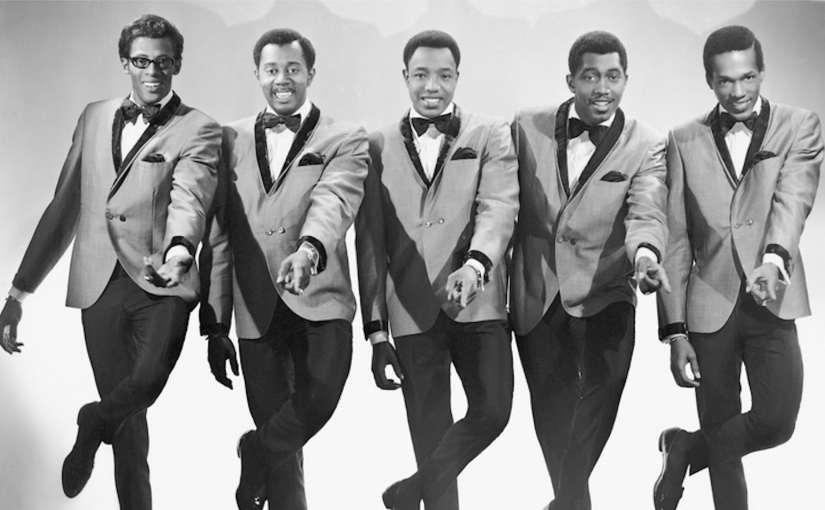
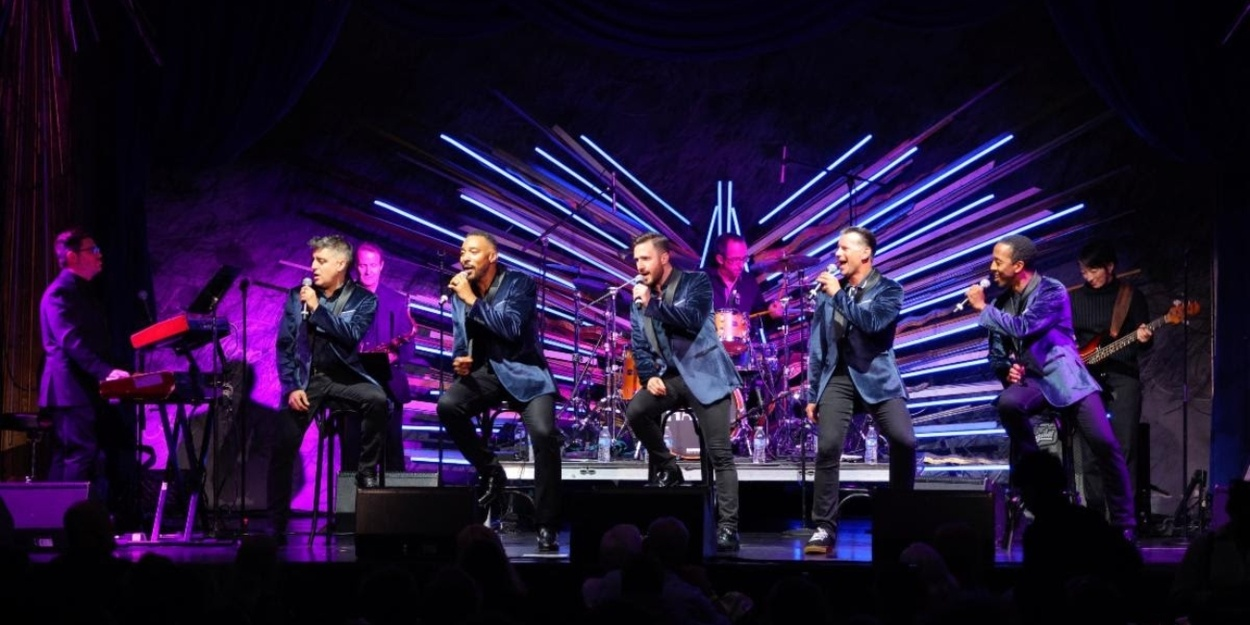
The influence of Doo-Wop from South Philadelphia is still felt today. This music laid the foundation for subsequent pop genres and created a school of vocal mastery. Its echoes can be found in the classic “Philly Soul” of the ’70s and even in modern R&B. It is a testament to how simple street songs, performed with passion, can leave an indelible mark on the history of American popular culture.
Doo-Wop Facts in PhiladelphiaЕкспортувати в Таблиці
| Characteristic | Description in the Context of South Philadelphia | Key Example |
| Birthplace | Densely populated working-class neighborhoods that fostered street rehearsals. | Street corners, alleyways |
| Financial Basis | Did not require instruments, making it accessible to poor youth. | Using the human voice as bass and percussion |
| Television Platform | The show American Bandstand provided local groups with national visibility. | The Dovells, Danny & the Juniors |
| Stylistic Innovation | Development of complex a cappella harmonies that became the foundation for Philly Soul. | Style signature: vocalization “doo-wop” or “shoo-bop” |
| Social Aspect | Initiated racial interaction in pop music but did not avoid the problem of cover versions. | The Orlons |

