


Benjamin Carr was a musician, composer, printer, and publisher who, in 1793, left his native England for Philadelphia, where he opened a music store. His father followed him and opened a shop in Baltimore. They combined forces, meeting the demand for sheet music for theatrical performances. In addition, Benjamin worked as an organist and choirmaster, taught music, and became widely known as the “Father of Philadelphia Music”. Learn more about his life and creative journey on philadelphia-trend.
The Future Composer’s Early Life
Benjamin was born on September 12, 1768, in London. His father’s name was Joseph. He also had an older brother, Thomas. The boy’s uncle, also named Benjamin Carr, ran a musical instrument workshop for two decades. The family was deeply connected to the world of music.
Young Benjamin began studying the organ with Charles Wesley and composition under the tutelage of Samuel Arnold. In 1793, he decided to move to the U.S. He first settled in Philadelphia, where he opened a music store, then traveled to New York, where he stayed until 1797. Benjamin eventually returned to Philadelphia, where he did a great deal to develop the music scene as a publisher, composer, teacher, and organist.
Musical Career and Life in Philadelphia
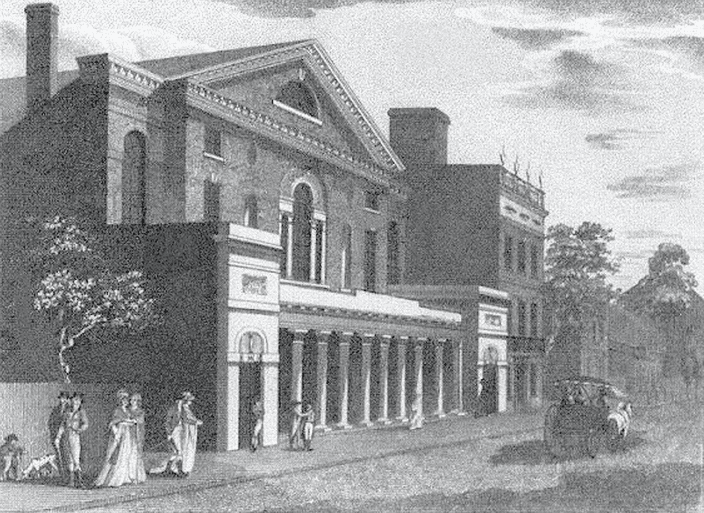
Carr began his career in the U.S. in music publishing. At the time, French King Louis XVI had just been executed. The Reign of Terror began in France, which significantly dampened American enthusiasm for the French Revolution. Refugees from Haiti began arriving in the U.S., exacerbating political tensions between the countries.
Meanwhile, Benjamin began publishing French revolutionary songs. They were arranged and played in salons, and the business gradually grew, even despite the unfavorable political context. His father also worked in parallel with Benjamin. He settled in Baltimore, where he opened a music store and also printed sheet music.
The first sheet music published by Carr to be protected by copyright under the U.S. Constitution was titled The Kentucky Volunteer. The song was written by Carr’s friend and countryman, Rayner Taylor. Benjamin went on to become one of the most prominent and large-scale music publishers in the U.S. during the 1790s:
- the main office of his company was located in Philadelphia,
- a branch operated in New York from 1794 to 1797,
- starting in 1794, the company published a new song every Monday.
Benjamin Carr and George Willig published the most sheet music in Philadelphia between 1793 and 1801. Willig later retired from the business, but Benjamin remained a well-known publisher with a large and successful enterprise.
In addition to his business, he taught singing and keyboard instruments and served as an organist and choirmaster at St. Augustine’s Church and St. Peter’s Church. In 1820, Carr helped found the Musical Fund Society of Philadelphia. During this period, he began to be called the “Father of Philadelphia Music” because he was able to unite the city’s musicians and had many talented students who did a great deal for the development of music.
Benjamin Carr died on May 24, 1831, in Philadelphia, where he was buried.
Benjamin Carr’s Creative Work
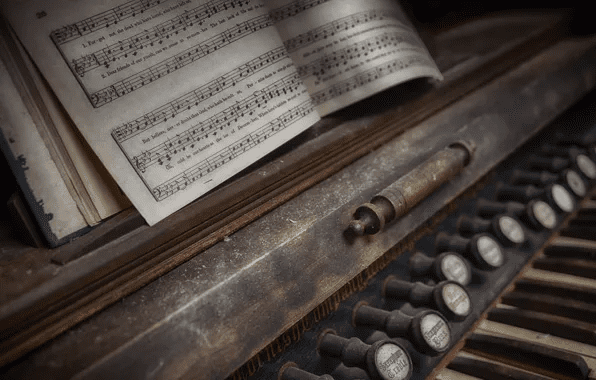
Throughout his life, Benjamin Carr created a lot of original music. His most famous orchestral work is titled Federal Overture. It was created for the theater audience in 1794. The premiere performance with the orchestra took place at a Philadelphia theater that same year. The composer later released an arrangement of the piece for keyboard instruments. Interestingly, the overture was based on nine real melodies and was written in the British potpourri style. However, Benjamin Carr used popular American songs. Upon hearing familiar tunes, listeners couldn’t help but be engaged, which explains the love for Carr’s work.
The composer also wrote songs that he published in two consecutive anthologies. His works also include ballads, such as Six Ballads from The Lady of the Lake, based on the work of Walter Scott. A popular song by the composer was The Little Sailor Boy, which he wrote in 1798. Benjamin Carr was one of the first to set Shakespeare’s texts to music, and his 1810 Hymn to the Virgin is considered one of the best American songs of that time.
As for his piano music, Benjamin wrote sonatas, rondos, and shorter pieces. Many of them were created for his teaching practice. They were technically sophisticated and helped students achieve a high level of performance skill. In addition, several of Carr’s pedagogical works remain, including Lessons and Exercises for the Voice and An Analytical Instructor for the Forte Piano.
The famous musician and composer worked until his last days. He spent his entire life in the enchanting world of music and managed to do a great deal for the development of this art form in the U.S. That is why his contemporaries remember him, and his music can still be enjoyed by anyone who wishes to experience the creative world of the 19th century.