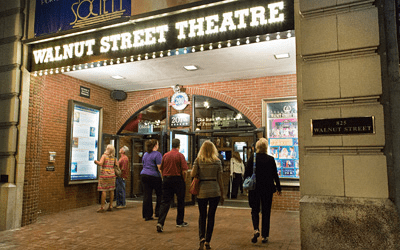
This artistic building was the first to use gas footlights and air conditioning in the history of US theaters. It is also the oldest among those available nowadays. Read more about the long and interesting history of the cultural building, namely about its foundation and development, significant events and people who started their successful career here. How did the history of the theater begin? Read more on philadelphia-trend.
The Walnut Street Theatre was founded in October 1808 in the City of Brotherly Love. At that time, the building was called The New Circus and belonged to Jean Breschard and Victor Pepin. They bought the land from a townsman to expand their enterprise and added a program of classical plays to the show.
At the beginning of the eighteenth century, an orchestra pit appeared together with a new name The Olympic. The debut performances of The Rivals and The Poor Soldier were released.
Subsequently, the business of the two owners was seized by the sheriff of Philadelphia County and put up for auction. The building was temporarily managed by James Clemson. Then, a local lawyer Charles Bird became the new manager. However, he also did not own the building for long.
The next period in its history was an even longer epic of sales and resales. In 1818, the cultural infrastructure was reorganized into a trust with one hundred and fifteen shareholders. Among the latter, William Wood and William Warren became the most famous. Until 1820, the businessmen managed the Chestnut Street Theatre but it was unexpectedly destroyed due to a large-scale fire. Enthusiasts did not abandon their goal. They wished to create the best theater in the city. That is why they bought a share of the property, which for a long time did not develop and only changed owners.
In the above-mentioned year, a new page in the history of the theater began under the modern name Walnut Street Theatre. At that time, such performances as Wild Oats and The Agreeable Surprise were played there.
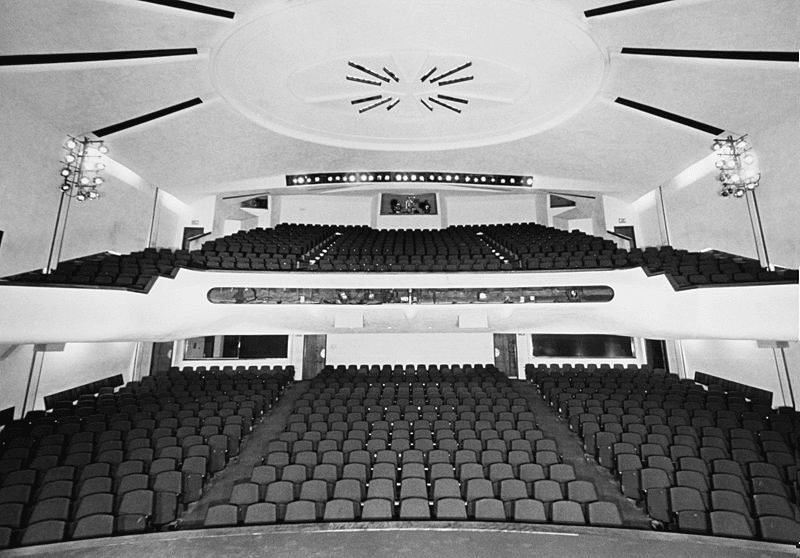
The theater from the City of Brotherly Love was one of the first in the USA to install gas footlights and air conditioning. Electronic chandeliers and paintings appeared on its territory a little later than in other neighboring cultural objects.
The development of the theater in Philly
As you name the boat, so shall it float. This phrase seems to have been a life credo for all Philadelphia theater owners. Again, there was a nineteenth-century rebranding until Edwin Booth and John Clarke bought the theater. John later bought out Edwin’s share of the property, becoming the sole owner of the Walnut Street Theatre.
During the outbreak of the Second World War, the cultural building came under the protectorate of the Shubert brothers from New York, who at that time owned almost all theaters in the USA.
The second half of the twentieth century for the history of the local building was marked by the recognition as a National Historic Landmark in October 1966. During the presidential election and debates between Gerald Ford and Jimmy Carter, the political promises of the candidates flooded the theater stage. By the way, at that time the building already belonged to the Walnut Street Theatre Corporation, which was founded in 1969. They initiated the creation of the Theater School in Philadelphia, which since 1984 has been providing appropriate education to more than one thousand two hundred students. In 1986, Independence Studio was presented in three series.
Modern history and the most famous performances
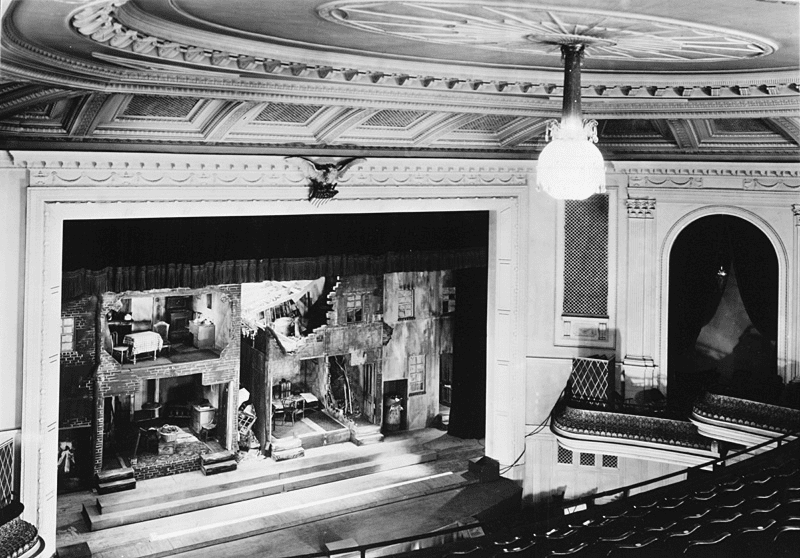
In the modern period, the theater creates as many as five productions per season. It also once became the most popular in terms of subscriptions, having more than fifty thousand of them. The current managers own the main stage, Independence Studio and a studio on the fifth floor, which was sometimes used by tenants for independent productions.
On the eve of the outbreak of the large-scale coronavirus pandemic, the owners of the theater were preparing another renovation to expand the business but the plans had to be postponed.
In 2020, Covid struck all entertainment institutions in the city. The local authorities have banned attendance at live performances. Despite the difficulties, they created an online project about the stories of actors and employees of their native company. This work raised the status of the oldest operating theater in the United States. At the same time, former employees of the Walnut Street Theatre Corporation were outraged. They even organized a public meeting where they urged not to believe the corporation’s stories. There were many complaints about various forms of discrimination in the theater, including racism.
In general, during the existence of the theater, an innumerable number of multi-genre performances took place here. One of the oldest and most memorable is I’ll Say She Is created by the legendary Marx Brothers.
Before the next world war, the cinematographic works were still shown here, as well as vaudeville and burlesque performances, which ended with the last rays of the sun.
This cultural building became a place for the beginning of theatrical careers for such outstanding performers as Ethel Barrymore, Mark Indelicato, Edwin Booth, George M. Cohan, Claudette Colbert, Henry and Jane Fonda, Samuel L. Jackson, Rob McClure, Jarrod Spector, George C. Scott, Jessica Tandy and others.