

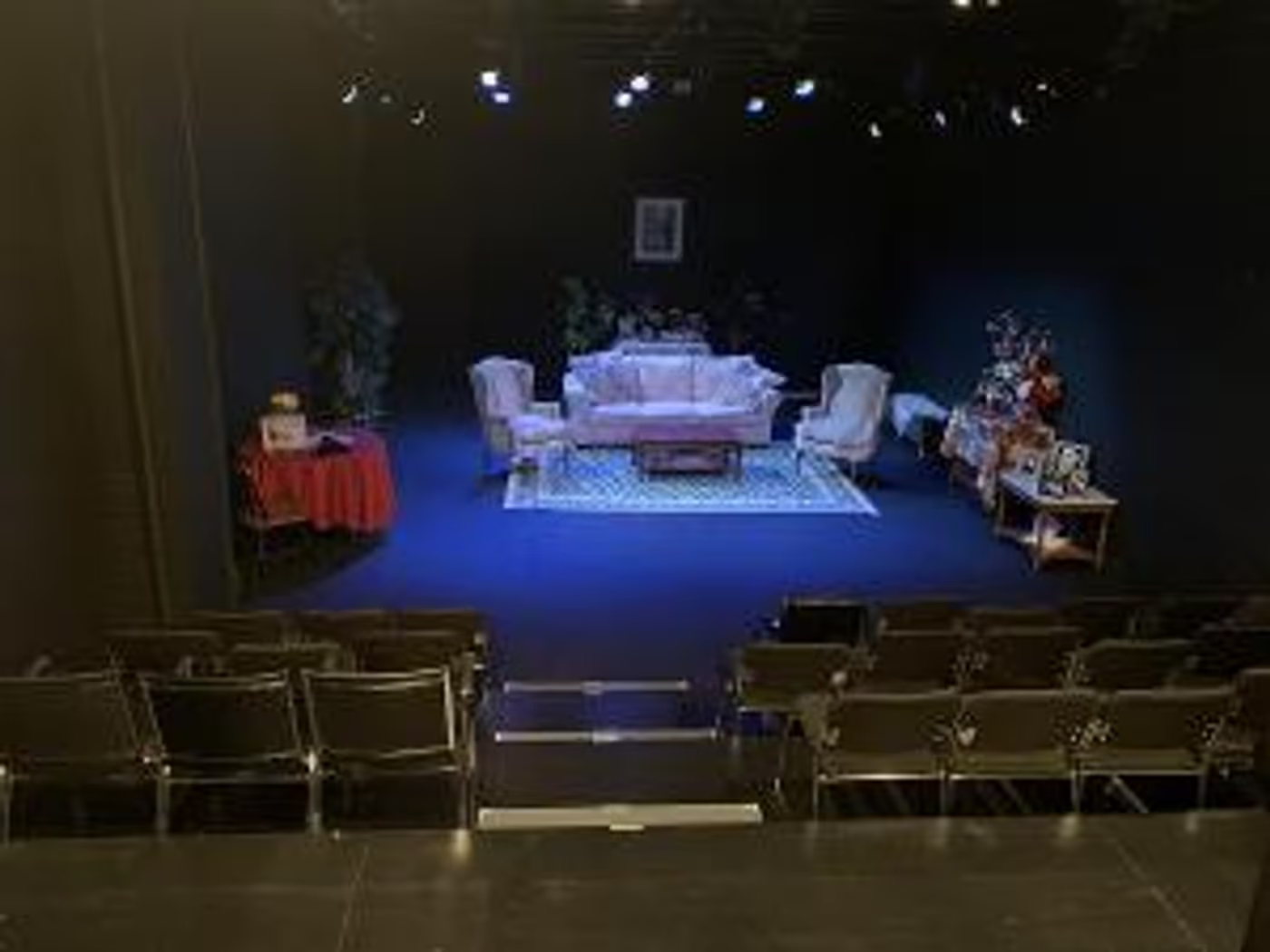
Philadelphia has earned a reputation as a true incubator of stage art, often being called the “Capital of Small Stages.” This term stems from the unique phenomenon known as “99-seat theater,” which describes a successful, decentralized community where independent troupes and experimental collectives dominate the commercial model. This ecosystem has made the city a magnet for young talent and bold ideas, transforming it into one of the most important testing grounds for the development of modern American drama. We delve into the topic at philadelphia-trend.
Freedom to Experiment
The phenomenon of small, independent stages thrives in Philadelphia, tracing its roots to the legendary Off-Off-Broadway movement in New York. Here, this movement has become a genuine cultural hub, fueled by artistic need and supported by favorable regulation.
The core idea is to separate art from harsh commercial pressure. This is made possible by local rules and unique agreements, particularly with the Actors’ Equity Association union. According to these rules, theaters with fewer than 100 seats can operate under simplified guidelines.
This model provides a significant reduction in operating costs:
- Wages: Requirements for actor salaries become more flexible, making it possible to attract young talent.
- Regulation: Technical and insurance requirements are less burdensome compared to large commercial venues.
It is this economic flexibility that gives Philadelphia directors and playwrights the critically needed freedom for artistic risk. Independent troupes can choose sharp social themes, radical innovative forms, or experimental plays that would never receive funding on large, profit-oriented stages.
Thus, small theaters become a proving ground for new voices and fresh ideas. They nourish the theater community and transform Philadelphia into a true regional center of theatrical experimental artists, offering the audience art that provokes and forces thought.
Decentralization of Space
Unlike many metropolises with centralized theater districts, Philadelphia’s community is widely dispersed, contributing to its uniqueness. This is not just art for the city center, but art integrated into community life. Many independent troupes, such as the Curio Theatre Company in West Philadelphia, are housed in converted premises—from former church basements to factory warehouses. This saves money and gives productions a unique, “unsterile” atmosphere. Furthermore, placing theaters in various neighborhoods, such as Old City, Kensington, and Germantown, promotes the cultural revitalization of these communities. This geographical accessibility makes art an integral part of the urban landscape and ensures a constant flow of local creativity.
Catalyst for the Avant-Garde
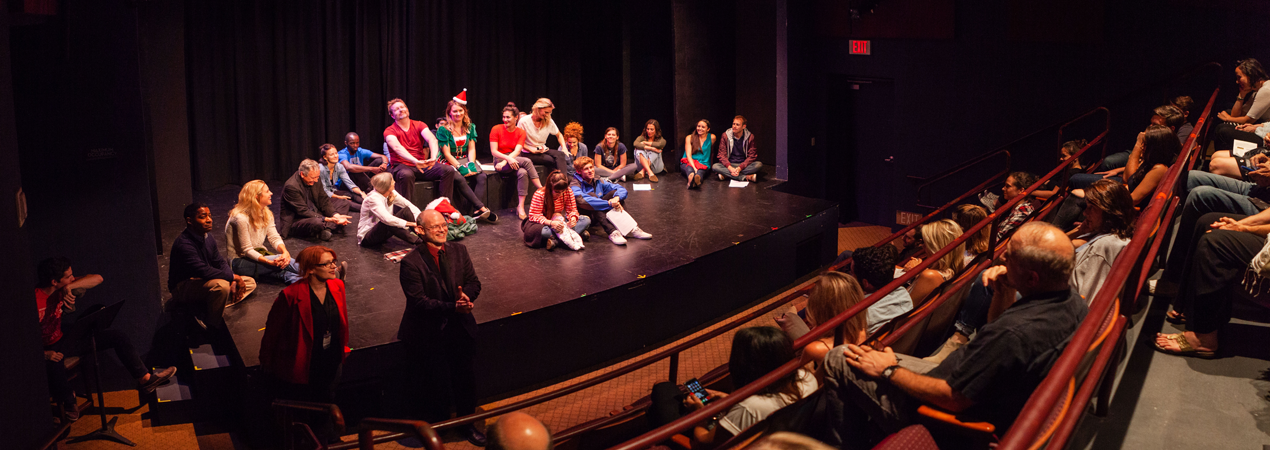
The most powerful driver and showcase for independent stages is the annual Philadelphia FringeArts Festival. This autumn event, dedicated to avant-garde art, turns the city into a large exhibition platform, attracting hundreds of troupes. During the festival, small stages receive maximum attention, presenting the boldest works. For example, troupes like Pig Iron Theatre Company use minimal sets, focusing on physical theater, movement, and non-traditional narrative. Their work Gentlemen Volunteers is a striking example. Also popular are site-specific performances—productions that use unusual locations (train stations, museums, parks) instead of a traditional stage, blurring the line between actor and audience. The Fringe Festival serves as a litmus test for new ideas, where creative success can be converted into further grants and touring opportunities.
Creators of New Theater
Philadelphia is known for the quality of its permanent independent troupes, whose success proves that a small format can have a big artistic impact.
- Arden Theatre Company: Starting as a small troupe, it grew into a highly respected organization that continues to prioritize new plays and bold interpretations of classics while retaining the spirit of independence.
- Theatre Exile: This collective specializes in sharp, sometimes controversial, drama, drawing attention to social issues.
These collectives demonstrate that the Philadelphia scene is the ideal proving ground for the development of American theater, where ideas are valued more highly than luxurious scenery.
Nurturing the System
The city’s theater community is actively supported by educational institutions and grant programs. The presence of strong theater programs at universities, such as Temple University and the University of the Arts, ensures a constant influx of young, trained professionals who are ready to work in independent, non-commercial settings. Additionally, local foundations, such as the William Penn Foundation, often provide targeted support for innovative small projects, guaranteeing their financial viability. This synergy between education, funding, and low barriers to entry makes Philadelphia resilient against commercialization.
The Eternal Theater of Innovation
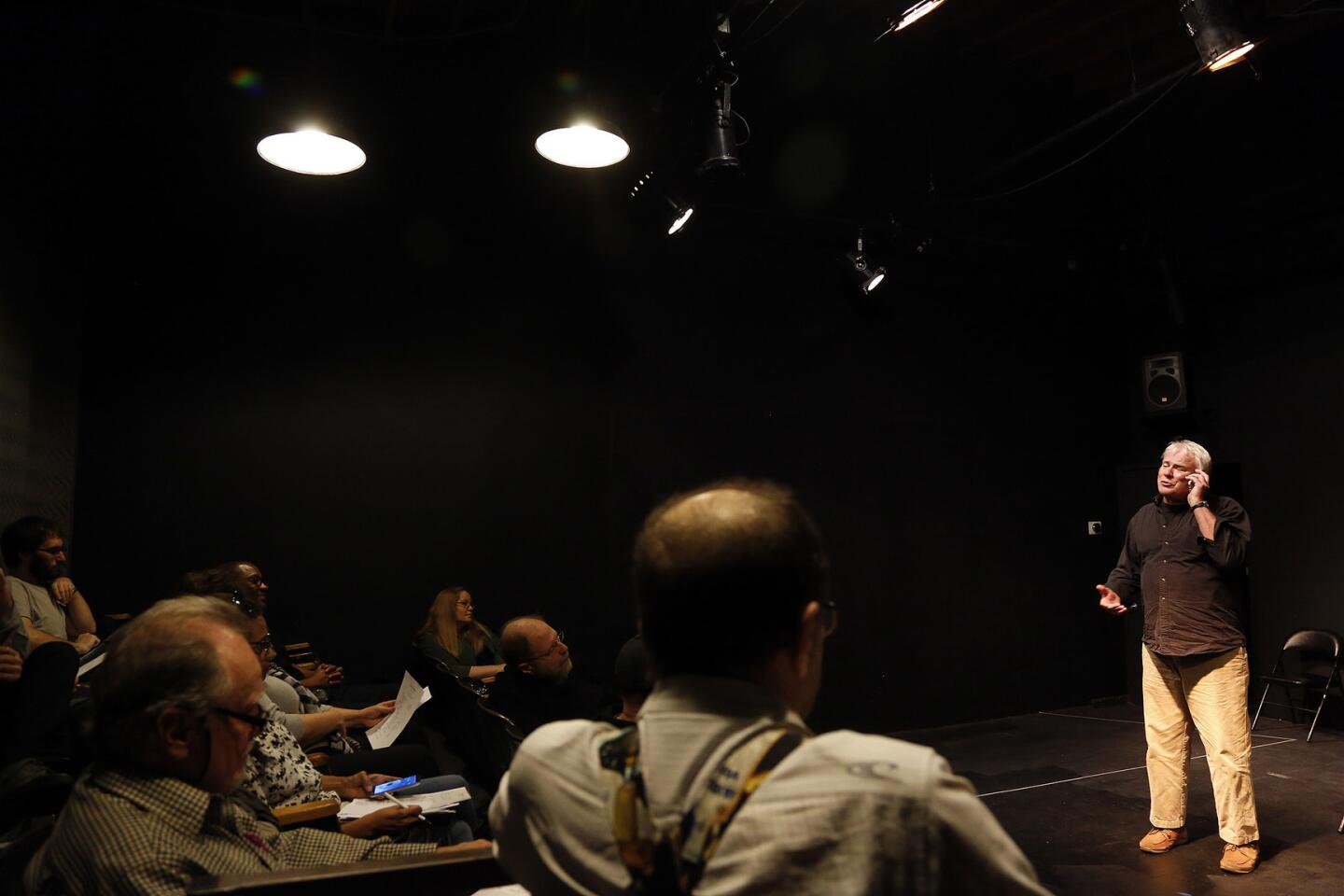
Philadelphia has proven that great drama doesn’t always need a grand stage. The “99-seat theater” phenomenon is not just an economic model, but a deeply rooted cultural philosophy. It has transformed the city into a creative laboratory, where artistic risk is valued higher than commercial profit. Instead of copying the glamorous but expensive Broadway, Philadelphia chose the path of democratizing art. Thanks to the synergy of flexible regulation, active festival support, and focused education, the city has created a sustainable ecosystem that constantly generates new voices and bold forms. Thus, Philadelphia continues to fulfill its historic mission: to be not only the cradle of political freedom but also a free space for continuous artistic innovation.

